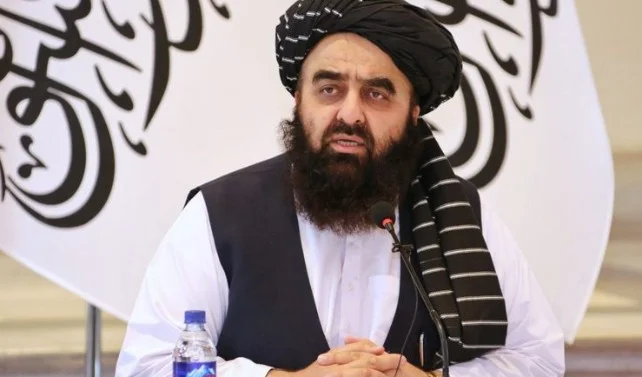


New Delhi, Oct 2 — Afghan Foreign Minister Amir Khan Muttaqi is expected to travel to India next week in what would be the first high-level visit from Kabul since the Taliban seized power in 2021, officials familiar with the matter said Thursday. The visit, tentatively scheduled for October 10–16, comes after the United Nations Security Council (UNSC) approved a temporary exemption to the travel ban imposed on Taliban leaders.
Muttaqi’s trip had been planned for last month but was cancelled because of restrictions under the UNSC sanctions regime. A committee of the council granted him a waiver on September 30, according to a UN statement, allowing his travel to India. Afghan media reported that before arriving in New Delhi, he will attend the Moscow Format talks in Russia on October 6.
The UNSC has sanctioned senior Taliban figures, requiring them to seek waivers for international travel. Muttaqi’s upcoming visit is expected to open a fresh chapter in India’s cautious engagement with the Taliban government.
India has not formally recognized the Taliban administration but has maintained contact on humanitarian and security concerns. External Affairs Minister S. Jaishankar spoke with Muttaqi by phone on May 15, marking the highest-level dialogue since the regime change. In January, after talks with Foreign Secretary Vikram Misri, the Taliban described India as an “important” regional and economic power.
New Delhi has consistently pressed for the formation of an inclusive government in Kabul and reiterated that Afghan soil must not be used for terrorism. At the same time, India has extended humanitarian assistance, including multiple consignments of wheat and medicines, to help Afghanistan cope with its deepening crisis.
India had withdrawn its diplomats in August 2021 following the Taliban’s takeover but re-established a presence by deploying a “technical team” in June 2022 to its embassy in Kabul.
Muttaqi’s expected visit, officials noted, could provide a clearer picture of how India intends to balance its aid-driven outreach with its security concerns, even as Afghanistan continues to face economic collapse and political isolation.