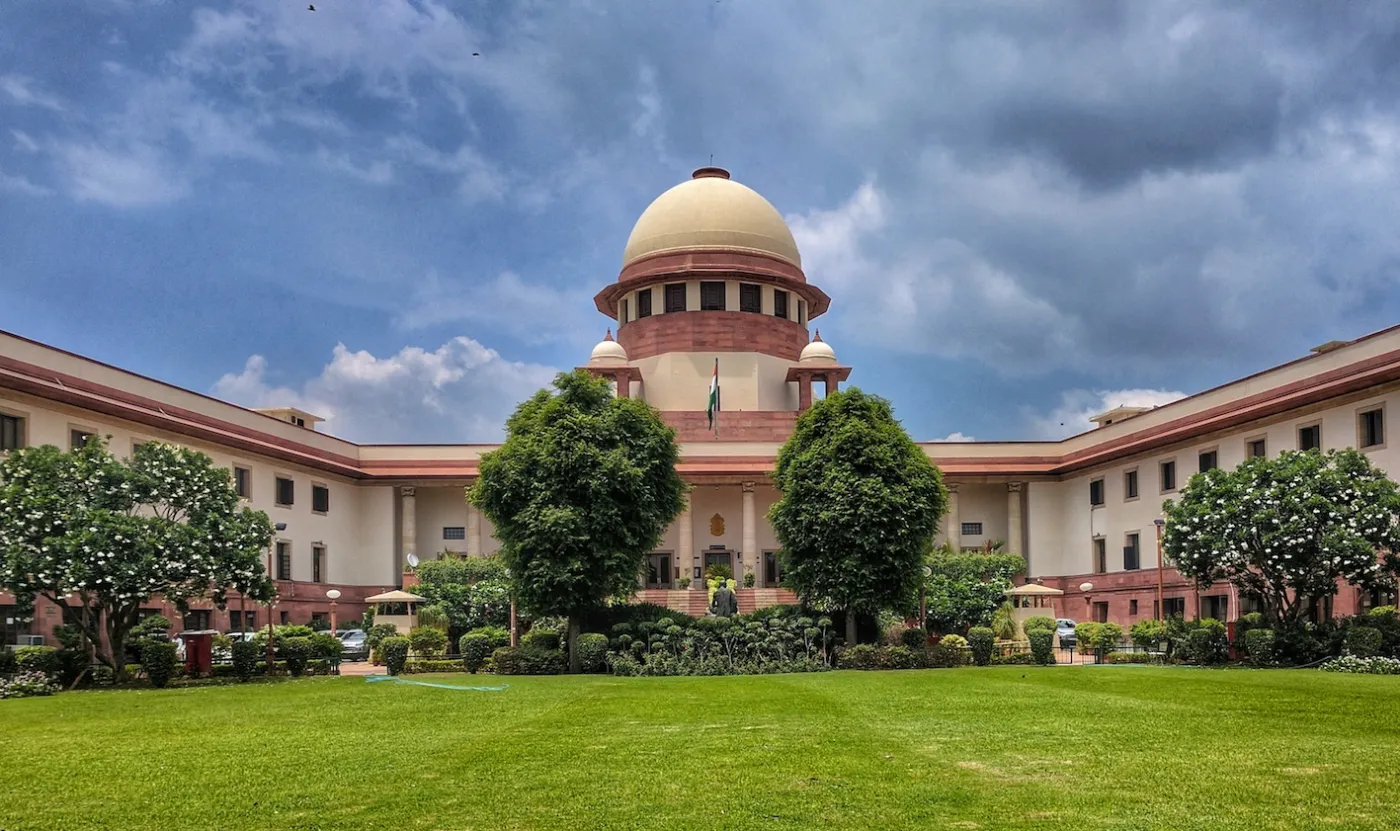


New Delhi, Feb 25: The Supreme Court on Wednesday initiated suo motu proceedings regarding a section in the new NCERT Class 8 social science textbook addressing corruption within the judiciary. Chief Justice of India Surya Kant characterized the inclusion as a “calculated move” and affirmed that the court would not permit any attempts to defame the institution.
The matter reached the bench after senior counsel Kapil Sibal raised concerns about the curriculum being taught to young students. Chief Justice Kant responded by noting that the judiciary had already taken formal notice of the situation. He declared that he had fulfilled his duty as the head of the institution by taking cognisance and asserted that the law would follow its established course.
The controversy centers on the recently released Part II of the NCERT Social Science textbook, which debuted on February 23. A section titled “Corruption in the Judiciary” within the chapter ‘The Role of the Judiciary in Our Society’ discusses judicial conduct and accountability.
“I will not allow anyone to defame the institution. I know how to deal with it,” Chief Justice Kant maintained. He further stated that judges across various High Courts felt perturbed by the development.
Senior counsel AM Singhvi also addressed the court, noting that the judiciary appeared to be selectively targeted in the text. During the proceedings, Sibal expressed that the legal community was deeply disturbed by Class 8 students being taught such content, describing it as a matter of grave concern.
The textbook includes data regarding internal accountability and the Centralised Public Grievance Redress and Monitoring System (CPGRAMS). It mentions that over 1,600 complaints were recorded through this mechanism between 2017 and 2021. The chapter also provides a breakdown of case pendency, citing approximately 81,000 cases in the Supreme Court and over 4.7 crore cases in district courts.