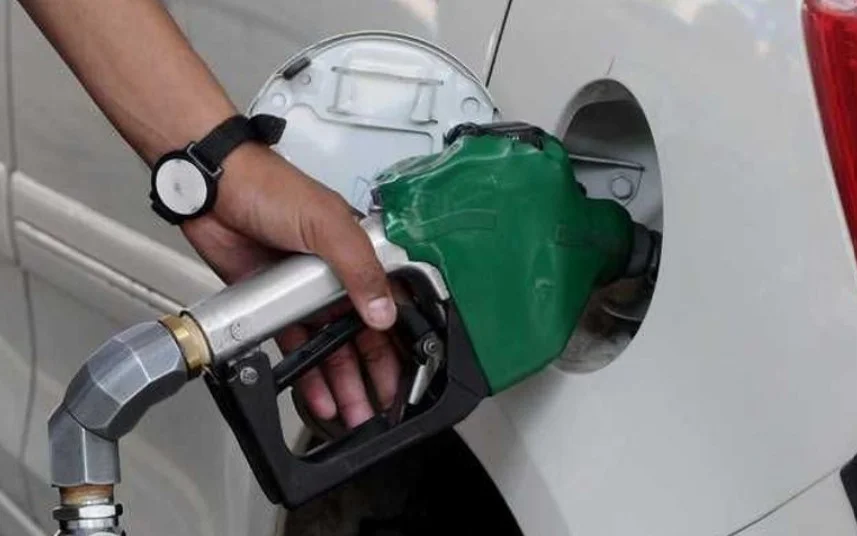


Mohali, March 6: A significant surge in fuel procurement has been reported across Punjab as ongoing Middle East tensions prompt residents to stockpile petrol and diesel. Despite official assurances of stable supplies, petrol pumps in rural sectors have recorded a sharp 30 to 40 per cent increase in sales over recent days.
Ashok Sachdeva, Chairman of the Petrol Dealers’ Association, Punjab, stated that the trend is particularly pronounced in the countryside. He noted that the timing of the Iran-Israel conflict coincides with the upcoming harvest and paddy sowing periods, leading to widespread anxiety among the farming community regarding future availability.
According to Sachdeva, many agriculturalists are purchasing fuel in bulk to ensure their operations remain unaffected should the international situation worsen. He affirmed that while urban areas have seen a 25 per cent rise in demand, the rural spike is much higher. The chairman maintained that oil marketing companies have confirmed there is currently no shortage, yet the psychological impact of the war remains a primary driver for the current buying patterns.
Farmer leader Tarsem Jodhan of the Sanyukt Kisan Morcha also declared that feedback from areas like Jodhan confirms the trend of bulk purchasing. He asserted that it is a natural human response to seek a “safer side” during periods of global uncertainty. Jodhan maintained that if the conflict persists for an extended period, the public fears that fuel prices in India could eventually be impacted.
Oil marketing companies have sought to calm the public by stating that adequate stocks are available and supply chains remain intact. However, residents expressed concerns that any tightening of the supply could lead to price hikes by dealers. Sachdeva cautioned against unnecessary storage, noting that keeping large quantities of fuel is unsafe, even as he acknowledged that a continued imbalance between demand and supply could lead to future price adjustments.