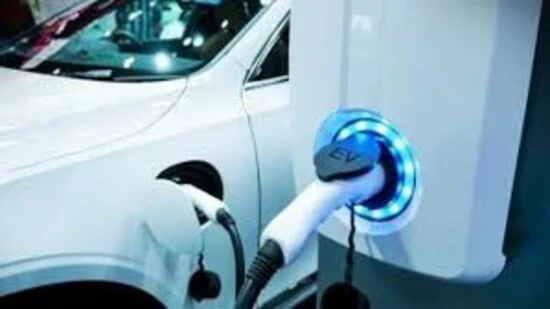


New Delhi, Dec 17: Demand for electric vehicles in Punjab has risen sharply over the past five years, with registrations climbing significantly after the state introduced its electric vehicle policy in 2023, the Ministry of Road Transport and Highways told Parliament during the ongoing winter session.
According to ministry data, registrations of electric two-wheelers in Punjab increased from just 128 in 2020 to 21,229 in 2025, up to November 27. Electric car registrations also saw a steep rise, growing from 11 in 2020 to 2,670 during the same period.
“As of electric cars, the number has risen from 11 in 2020 to 2,670 in 2025,” the ministry said, adding that growth accelerated over the past two years. Registrations climbed from 799 in 2023 to 1,469 in 2024 before reaching 2,670 by late November this year.
Industry experts attributed the surge largely to Punjab’s EV policy, which offers full exemption from road tax on electric vehicles. Road tax in the state ranges between 9% and 13% of a vehicle’s ex-showroom price.
“The exemption is applicable irrespective of the price of the electric vehicle, but there is no direct subsidy,” said Dr. Mohd Parvez, owner-founder of automotive portal Xroaders. “The policy has played a key role in driving adoption.”
He said the policy, currently valid until 2026, should be extended for at least five more years and backed by better charging infrastructure. “Charging stations have to be increased. This will encourage people to adopt electric powertrains and help Punjab contribute to India’s carbon reduction goals,” Parvez said.
Neighbouring states offer additional incentives. Chandigarh provides both road tax exemption and purchase subsidies, while Haryana offers a 15% subsidy on EVs. Haryana recorded about 4,248 EV registrations in 2025, up to November.
EV enthusiast Dr. Simran Dhaliwal said infrastructure gaps remain a major concern in Punjab. “In many cities, there is not even a single charging station,” she said. “The policy promises one public charging station for every 10 electric vehicles in target cities, but it needs to be implemented in letter and spirit.”