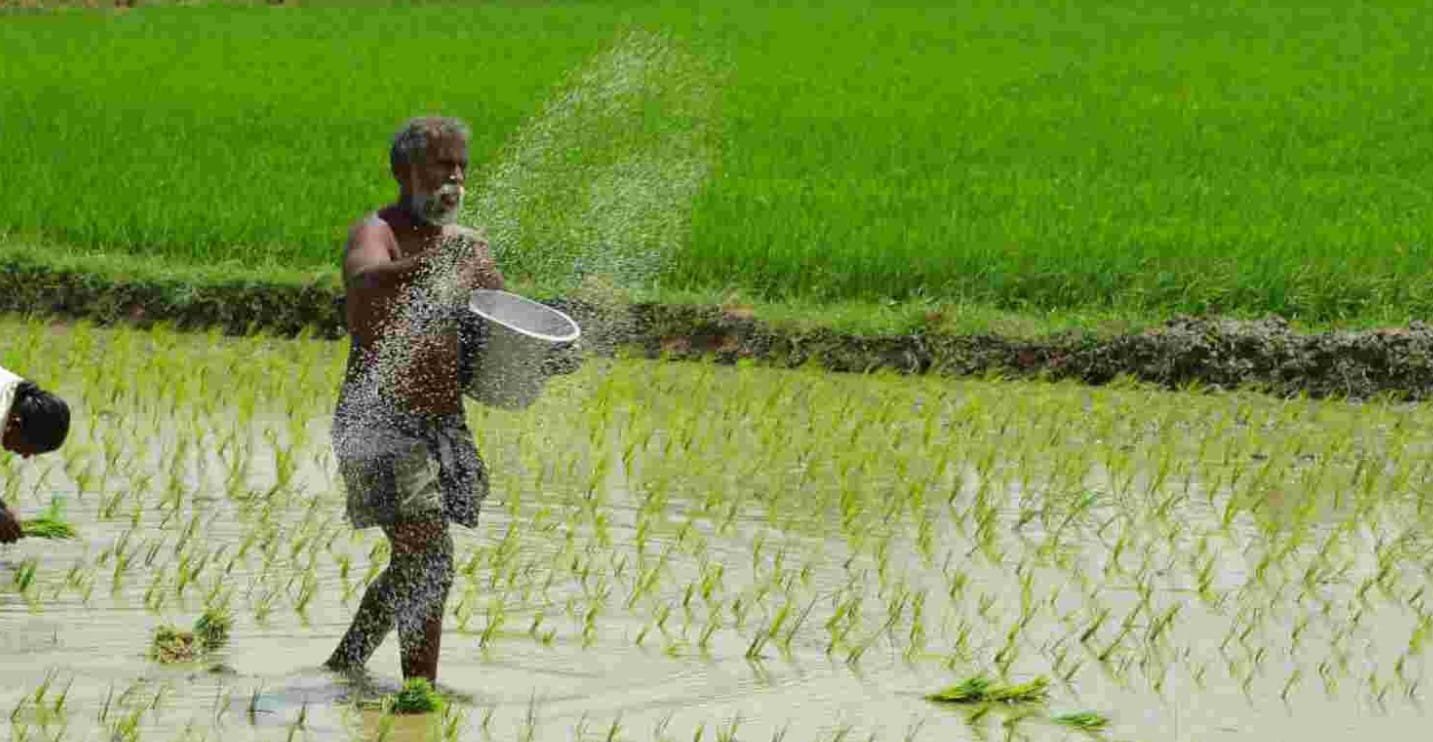


CHANDIGARH, DEC 30: India may have overtaken China as the world’s largest rice producer, but farmers in Punjab and Haryana — the country’s key rice-growing states — say the success has come at a steep cost to groundwater and farm finances.
Interviews with farmers, agriculture officials and researchers show that rice cultivation is rapidly depleting aquifers in the region, forcing growers to drill deeper borewells and spend more each year to keep crops alive.
“Every year, the borewell has to go deeper,” said Balkar Singh, a farmer from Haryana. “It’s getting too expensive.”
A decade ago, groundwater in parts of Punjab and Haryana could be accessed at depths of around 30 feet, according to farmers and officials. Today, borewells often reach depths of 80 to 200 feet, a shift corroborated by government data and research from Punjab Agricultural University.
India has nearly doubled its rice exports over the past decade, crossing 20 million metric tons in the last fiscal year. Government-backed minimum support prices and power subsidies have encouraged continued rice cultivation, even as water levels fall.
“The net effect is that one of the world’s most water-stressed countries is paying farmers to consume vast amounts of groundwater,” said Avinash Kishore of the International Food Policy Research Institute.
Government data show that Punjab and Haryana extract between 35% and 57% more groundwater annually than is naturally replenished. Large areas in both states are now classified as “over-exploited” or “critical.”
Small farmers are the most affected, said Punjab grower Sukhwinder Singh, who farms 35 acres. “Large farmers can still manage, but for small growers, every extra cost dents their income,” he said.