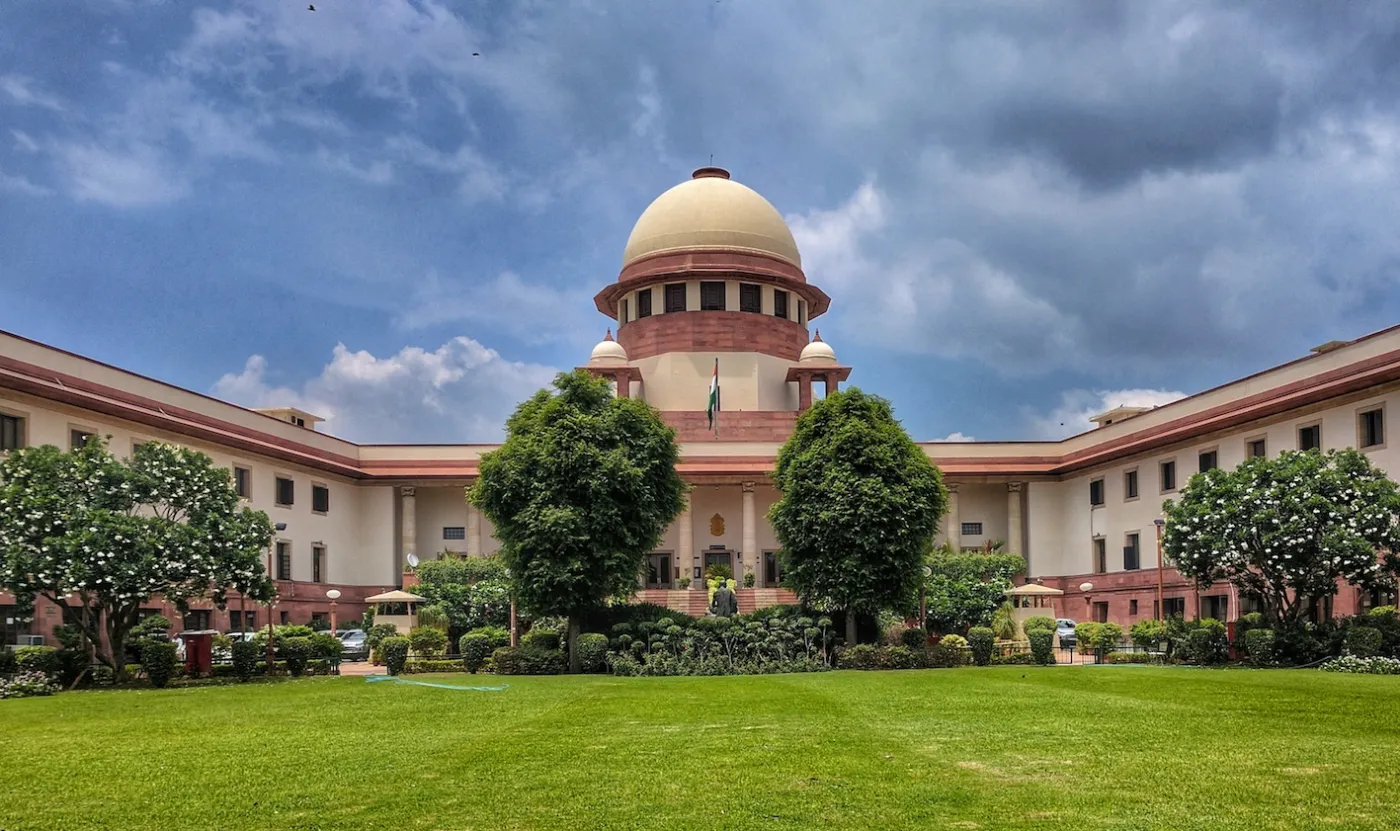


NEW DELHI, APRIL 11 — The Supreme Court has reaffirmed that the rights to vote and contest elections in India are not fundamental rights but are instead statutory entitlements. A bench comprising Justices BV Nagarathna and R Mahadevan maintained that these privileges exist solely within the framework provided by specific legislation.
The court declared that it is a well-settled legal principle that neither participating in an election as a voter nor standing as a candidate is a fundamental right. According to the bench, while voting serves as a mechanism for participation in the democratic process, the right to contest is a separate entitlement. This distinction allows the state to impose specific qualifications, eligibility criteria, and disqualifications on candidates.
The ruling arose from a dispute concerning election rules for District Milk Producers’ Co-operative Unions in Rajasthan. These entities operate under a three-tier structure established by the Rajasthan Co-operative Societies Act, 2001. The court addressed challenges to bye-laws that mandated minimum milk supply quantities and audit standards as prerequisites for candidacy.
The Justices noted that the right to contest comes from statutes such as the Representation of the People Acts. These laws determine eligibility based on factors like age, citizenship, and criminal records. The bench stated that the government possesses the authority to set reasonable conditions for these rights, and judicial intervention is typically reserved for instances where rules are found to be arbitrary or in violation of basic constitutional principles like equality.