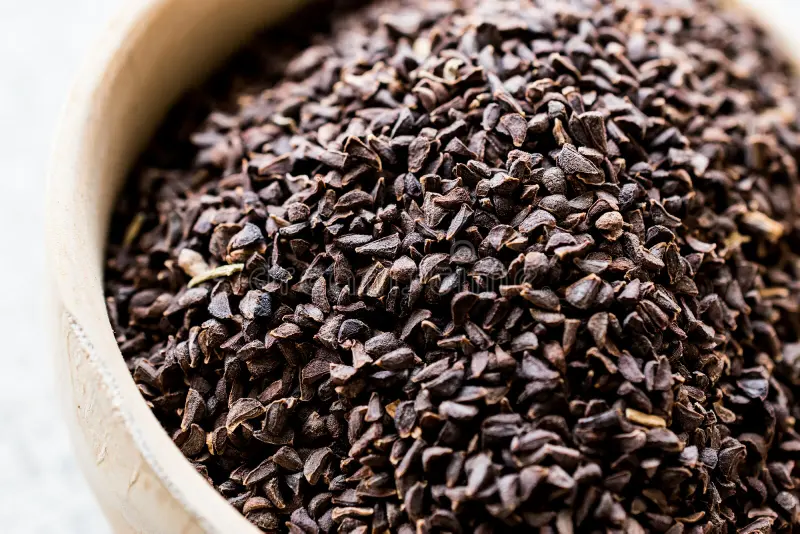


Srinagar/Chandigarh, November, 26: In Kashmir, the delicate crackle of Izband—tiny pebble-like seeds that burst into an aromatic smoke—has long signalled moments of joy, purity and protection. Known locally as bahur, Izband is as old as the valley’s folklore, its scent drifting through weddings, new beginnings and the sacred rituals that bind Kashmiri families together.
Scientifically, Izband comes from Peganum harmala, a plant commonly called Syrian Rue. But in Kashmiri households, it is less a botanical specimen and more a guardian presence, a blessing that rises in wisps of smoke.
During weddings, a small handful of Izband is placed inside a kangri, the traditional firepot, where the seeds instantly pop and release their deep, resinous aroma. Older women circle the smoking kangri around the bride and groom, letting the smoke wrap them in a symbolic shield. The ritual is meant to ward off the bad-e-nazar—the evil eye—and bring warmth, prosperity and good fortune to the newlyweds.
Its use, however, stretches far beyond ceremonies. Izband is burned when someone returns home after a long journey, when a baby is born, when a house is newly built, or even when the atmosphere feels heavy and unsettled. The smoke, many believe, cleanses the air not just of impurities but of unspoken anxieties. “It keeps our homes safe,” elderly women often say, passing down the tradition with the quiet confidence of generations.
The seeds themselves resemble small, black pebbles—humble in appearance but potent in cultural significance. When tipped into the hot embers of a kangri, they burst open with a soft crack, releasing a scent that is unmistakably Kashmiri—a reminder of winter evenings, family gatherings and the old-world charms that continue to survive in modern Kashmiri life.
In cities, the practice has softened but never disappeared. Bridal trousseaus still include the iconic little pouch of Izband. Grandmothers still keep a jar tucked safely in the kitchen. And whenever the smoke rises, it brings with it not just fragrance but memory—of a valley where traditions may evolve but never truly fade.
Izband is more than a ritual. It is a gesture of love, a prayer in smoke, a whisper of the past that continues to warm Kashmiri homes just as faithfully as the kangri itself.