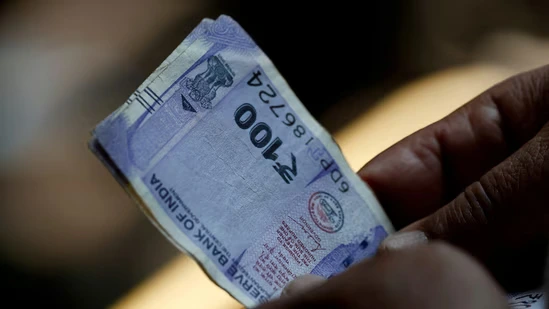


New Delhi, Jan 21: The Indian rupee reached a new record low of 91.58 against the US dollar during early trade on Wednesday, marking a significant 61-paise depreciation. This slide surpassed the previous low of 91.0750 seen in mid-December 2025, as the local currency opened at 91.08 and quickly extended its losses by 0.24 percent.
According to reports, the downturn is largely attributed to a combination of persistent dollar demand from domestic importers and a cautious global atmosphere that has favored safe-haven assets over emerging market currencies.
Market experts noted that the broader geopolitical climate and economic signals from the United States have created a challenging environment for the rupee.
“Rising geopolitical uncertainty, including renewed US expansionary signals, has increased risk aversion and kept emerging market currencies under pressure,” a forex trader remarked regarding the early morning volatility.
This global sentiment is reinforced by expectations that the US Federal Reserve might maintain higher interest rates for an extended period, which continues to bolster US bond yields and the greenback’s overall strength.
The pressure on the domestic front is being compounded by substantial capital outflows as foreign portfolio investors retreat from Indian equities. This exodus of foreign capital, paired with a sluggish performance in the domestic stock market, has further dampened investor confidence.
Additionally, heavy demand for dollars from energy and metal importers remains a constant factor, as India’s reliance on imported crude oil necessitates frequent and large-scale dollar purchases.
Despite the record lows, the approach to managing the currency remains focused on stability rather than defending a specific price point. Observers suggest that the central bank is taking a measured stance to ensure market orderly behavior.
“Market participants believe the Reserve Bank of India is allowing a gradual depreciation to avoid draining forex reserves, intervening only to curb excessive volatility,” a market analyst noted. This strategy helps manage the impact on imports, which become more expensive as the rupee weakens, while potentially offering some relief to exporters through better realizations.
The future trajectory of the currency is expected to hinge on upcoming US economic data, fluctuations in global oil prices, and the continued trend of foreign investment.
While the current depreciation adds to inflationary concerns by raising the cost of imported goods, the gradual nature of the shift suggests a focus on navigating global headwinds with minimal disruption to the broader economic framework.