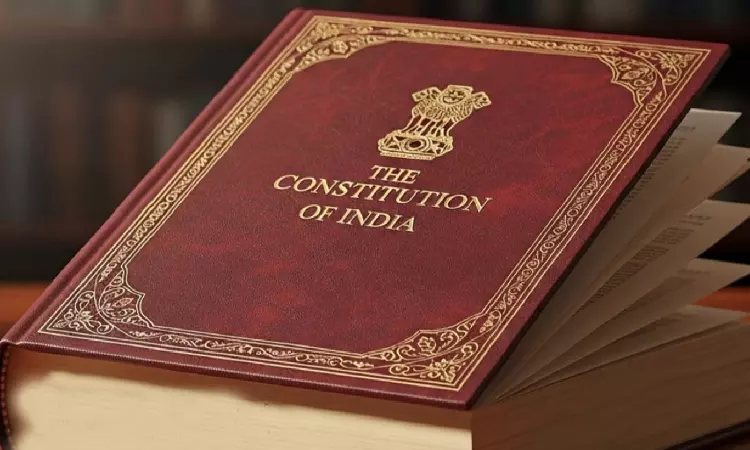


Chandigarh, Jan 26: The celebration of Republic Day on January 26 marks the historic moment in 1950 when India transitioned from a British dominion to a sovereign democratic republic. While independence was achieved in 1947, it was the formal adoption of the Constitution that provided the legal and moral framework for the nation’s governance. This document transformed the identity of the population from subjects of a colonial power into citizens of a free nation, endowed with fundamental rights and responsibilities.
The significance of the Constitution lies in its role as the supreme law of the land. It acts as a shield for the common man and a guidebook for the government, ensuring that power remains checked and balanced. By establishing India as a secular, socialist, and democratic republic, the framers ensured that the nation would strive for justice, liberty, and equality for all its residents regardless of their background.
The journey toward creating this monumental document began in December 1946 with the first meeting of the Constituent Assembly. Following the end of colonial rule, the assembly appointed a Drafting Committee on August 29, 1947, with Dr. B.R. Ambedkar as its Chairman. Over a period of nearly three years, the members engaged in rigorous debates to tailor a system that would suit the diverse socio-economic fabric of India.
The Assembly drew inspiration from various global models, incorporating the parliamentary system from the United Kingdom, fundamental rights from the United States, and the directive principles of state policy from Ireland. On November 26, 1949, the final draft was adopted. However, January 26 was specifically chosen as the date for it to come into force to honor the 1930 declaration of “Purna Swaraj” or complete independence by the Indian National Congress.
The Constitution is built upon several foundational pillars that define the character of the Indian state. The Preamble serves as the soul of the document, outlining the objectives of the nation. It mentions the resolve to secure social, economic, and political justice for every citizen.
Key features of our Constitution: Federalism with a strong center, allowing for a unified national identity while respecting regional diversity. A Parliamentary form of government that ensures the executive is responsible to the legislature. An independent judiciary that acts as the guardian of the Constitution and protects citizen rights. Universal adult suffrage, which was a revolutionary step at the time, giving every adult the right to vote. The Directive Principles of State Policy, which provide a roadmap for the government to create a welfare state.
The Constitution is not merely a static legal text but a living document intended to shape the progress of the country. It provides the mechanisms for its own amendment, allowing it to evolve with changing times and societal needs. It is designed to foster an inclusive society where the rule of law prevails over the whims of individuals.
In the modern context, the principles of the Constitution should guide the nation toward technological advancement, economic equity, and environmental sustainability. By adhering to the spirit of the document, the country can address contemporary challenges such as administrative transparency and the protection of marginalized communities. The vision of the framers was to create a system where institutional integrity remains the bedrock of public life.
Since the first Republic Day parade in 1950, India has undergone a massive transformation. The early years focused on nation-building and establishing industrial foundations. In the decades that followed, the Constitution provided the stability required for the Green Revolution, the liberalization of the economy in the 1990s, and the digital revolution of the 21st century.
Today, the celebrations at Kartavya Path serve as a reminder of the military strength and cultural diversity that the Constitution protects. The modern era sees India as a significant global player, with its democratic credentials serving as its greatest asset. The endurance of the Indian Republic, despite numerous internal and external challenges, is a testament to the foresight of those who drafted the document.
As the nation moves forward, the values of citizen participation and good governance mentioned in the core text remain essential for maintaining the orderly growth of the country. The legacy of Republic Day is a constant renewal of the pledge to uphold the democratic spirit that was ignited over seven decades ago.