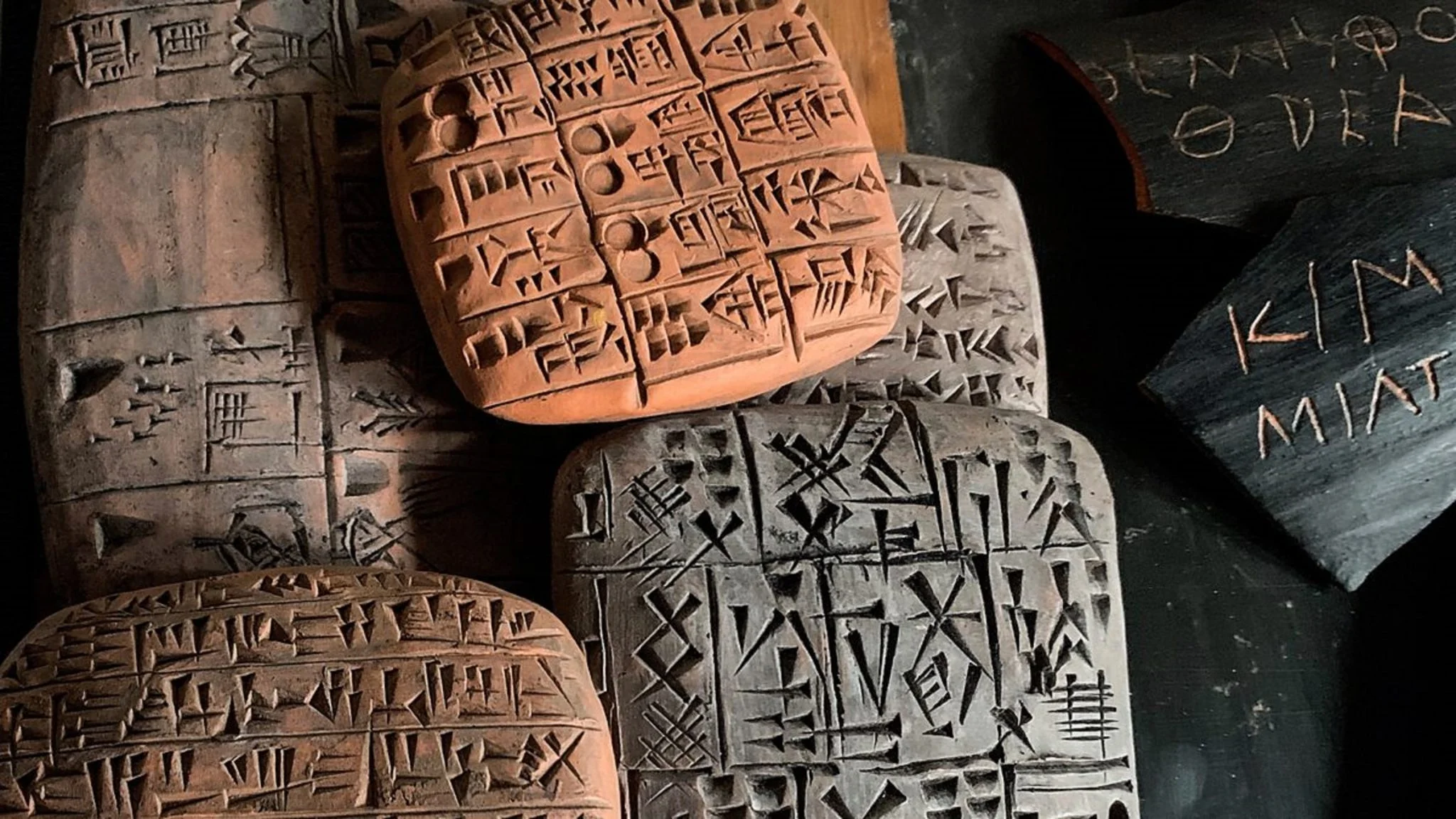


Chandigarh, Feb 25: The origins of writing were born of necessity rather than artistry. In ancient Mesopotamia, the Sumerians developed cuneiform around 3200 BCE primarily to track trade and agricultural surplus. While these initial tokens and tablets were administrative, they fundamentally altered the human relationship with time. Writing allowed information to exist independently of a speaker’s memory, enabling the management of vast territories and the codification of laws, such as the Code of Hammurabi.
As civilizations matured, writing transitioned from a tool of the state to a vessel for cultural identity. It provided a “collective memory” that survived the collapse of dynasties. Without the written records of Egypt, Greece, or the Indus Valley, our understanding of the ancient world would be reduced to guesswork and physical ruins. Writing ensured that the intellectual breakthroughs of one generation—whether in mathematics, philosophy, or medicine—could be refined by the next.
Beyond its utility, the act of writing has historically been treated as a high art form. In many cultures, the visual beauty of the script was considered as important as the message it conveyed. Islamic calligraphy, for instance, turned the written word into a geometric spiritual exercise, while Chinese shufa (calligraphy) was viewed as a reflection of the writer’s moral character and vital energy.
The materials used—parchment, papyrus, vellum, and eventually paper—dictated the flow and style of human expression. The medieval monk illuminating a manuscript and the Renaissance poet drafting a sonnet both engaged in a physical craft that required precision and patience. The “art of writing” is the deliberate choice of structure, rhythm, and vocabulary to evoke a specific emotional response, elevating simple communication into literature.
At its core, writing is the ultimate act of defiance against mortality. It is a technology that allows a mind from a thousand years ago to speak directly to a student today. This “telepathy across time” gives humanity a sense of continuity. When a person writes, they are externalizing their consciousness, turning private thoughts into public or permanent reality.
In a modern context, writing remains the primary method for critical thinking. The process of drafting and revising forces a clarity of thought that speech rarely demands. It remains the foundation of our legal systems, our scientific inquiries, and our personal legacies. To write is to affirm that one’s thoughts and experiences have value enough to be preserved.