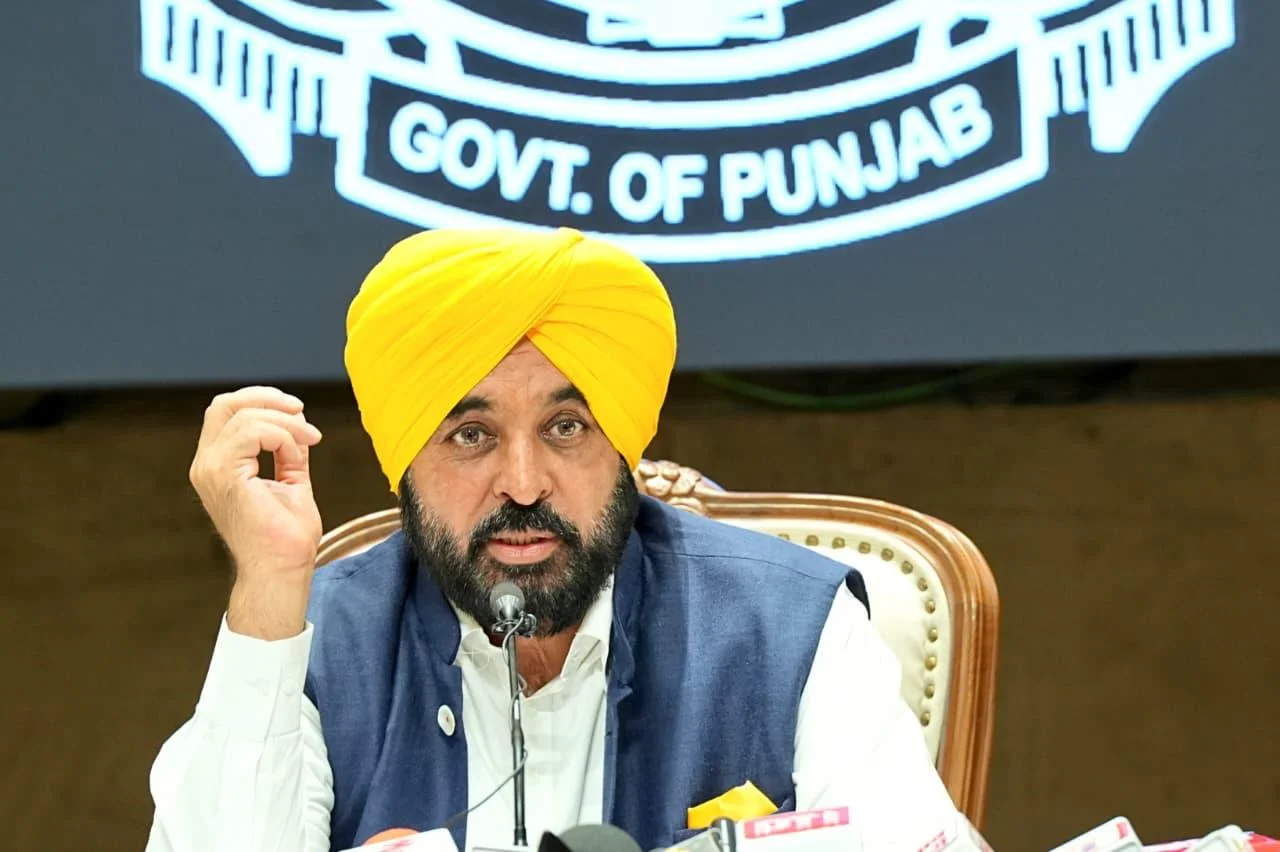


Chandigarh, July 22: Punjab Chief Minister Bhagwant Singh Mann announced a major welfare initiative to issue 10 lakh new ration cards across the state under a newly implemented, digital verification system. The registration drive, which opens applications on July 22, aims to streamline food security through a transparent process designed to eliminate political patronage and administrative discrepancies.
Under the allocation plan, 7 lakh ration cards will be issued to newly eligible families, while 3 lakh e-Shram and migrant workers will be incorporated into the National Food Security Act framework. Each approved beneficiary will receive 5 kg of wheat alongside the state’s specialized Meri Rasoi Nutrition Kit.
Addressing a press briefing in Chandigarh, the Chief Minister affirmed that the state administration is adhering strictly to a objective criteria to manage the drive. The verification model employs point-based weighted scoring alongside geo-tagged, time-stamped home inspections to confirm applicant eligibility. Priority points are assigned to widows, persons with disabilities, senior citizens, and low-income households.
Citizens can apply directly via District Food Offices, Common Service Centres, or the official portal of the Food and Civil Supplies Department. The system provides automated SMS receipts and real-time tracking to ensure total process visibility for every submission.
“Punjab is adding 10 lakh new eligible beneficiaries to the ration card system, making this one of the largest food security inclusion drives in recent years. Likewise, ration cards will no longer depend on recommendations, middlemen or bribes,” declared Chief Minister Bhagwant Singh Mann.
| DISTRIBUTION & ALLOCATION PLAN |
| Total New Ration Cards : 10 Lakh |
| Fresh Applicants/Families : 7 Lakh |
| e-Shram & Migrant Workers: 3 Lakh (Covered under NFSA) |
| Entitlements Per Person : 5 kg Wheat + Meri Rasoi Kit |
| Application Outlets : Seva Kendras, CSCs, Online |
The Chief Minister asserted that replacing manual verification with automated database checks guarantees that welfare resources reach genuinely needy populations efficiently.