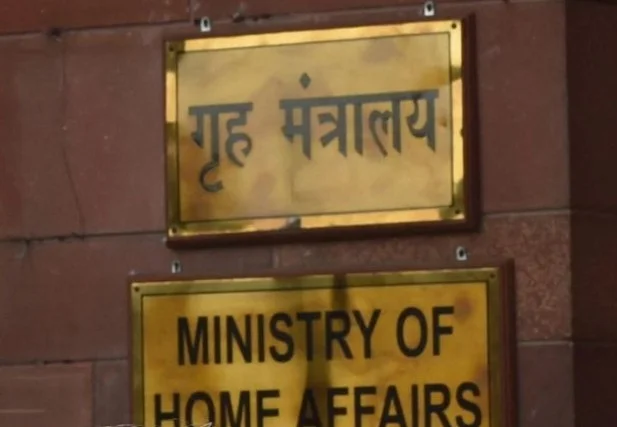


New Delhi, October 26: The Union Ministry of Home Affairs (MHA), in coordination with the Indian Army, is preparing a nationwide civil defence training initiative aimed at strengthening civilian preparedness, emergency response and disaster management capabilities across 12 States and Union Territories, including Jammu and Kashmir.
According to reports, the proposed initiative envisages training around 60,000 civil defence volunteers through a structured programme under which 600 master trainers will first receive specialised instruction from the Indian Army.
The initiative is intended to develop a wider network of trained volunteers capable of assisting authorities during natural disasters, security emergencies, fire incidents and other critical situations requiring coordinated public safety measures.
The specialised training for master trainers is scheduled to conclude by the second week of November 2026.
Jammu and Kashmir has been included among the 12 regions identified for the proposed programme. The other participating States and Union Territories are Punjab, Rajasthan, Gujarat, Delhi, Meghalaya, Sikkim, Assam, Uttar Pradesh, Kerala, Karnataka and Tamil Nadu.
Under the proposed framework, each participating region is expected to nominate 50 master trainers, taking the initial batch to 600 participants.
Following their specialised training, these master trainers are expected to train approximately 100 civil defence volunteers each in their respective regions. This model would create a training network capable of reaching around 60,000 volunteers.
The approach is designed to extend training beyond the initial group and strengthen the availability of personnel with basic emergency-response knowledge at the regional level.
For Jammu and Kashmir, participation in the initiative could provide an additional framework for developing civilian preparedness and improving coordination during emergencies, subject to the programme’s implementation arrangements.
Training to Cover Modern Security Challenges
The proposed curriculum is expected to address a range of security and emergency-management requirements, equipping participants with knowledge and practical skills relevant to civilian protection.
The key areas identified for training include .Emerging security threats: Awareness of hybrid threats, drone-related risks and preparedness for air-raid situations.Protection of critical infrastructure: Measures to safeguard essential installations and support emergency preparedness.Fire safety and hazardous incidents: Basic knowledge of fire prevention, response procedures and chemical, biological, radiological and nuclear (CBRN) hazards.Rescue and casualty management: First-response assistance, casualty handling, search operations and rescue procedures.Emergency communication: Improving information-sharing and communication during critical incidents.Cybersecurity awareness: Promoting digital safety practices and awareness of cyber-related risks.
Civil-military coordination: Strengthening cooperation between civil defence volunteers, civilian authorities and the armed forces.Incident management: Improving coordination, organisation and response during emergencies.
The proposed training is aimed at helping volunteers understand their responsibilities, follow established emergency procedures and assist relevant authorities when rapid mobilisation and coordinated action are required.
MHA and Army to Coordinate Training
The Directorate General of Fire Services, Civil Defence and Home Guards under the Ministry of Home Affairs is coordinating the initiative in collaboration with the Indian Army.
The Army is expected to provide specialised training to the selected master trainers, who would subsequently pass on their knowledge to volunteers at the regional level.
The training-chain model is intended to create a structured mechanism for disseminating emergency-response skills and strengthening cooperation between military training institutions and civilian preparedness networks.
The programme’s effectiveness will depend on the subsequent training of volunteers, local implementation arrangements and coordination among the agencies involved.
Focus on Strengthening Civilian Preparedness
The initiative forms part of a broader effort to strengthen India’s civil defence framework through improved training, updated preparedness practices, greater security awareness and better coordination among agencies responsible for public safety.
Civil defence volunteers can play a supporting role during emergencies by assisting with public awareness, evacuation arrangements, basic response activities and coordination with designated authorities, depending on their training and assigned responsibilities.
The proposed programme seeks to expand the pool of trained civilian personnel who can contribute to organised emergency management when required.
Pilot Programme May Inform Further Expansion
The current plan covers 12 States and Union Territories and is being presented as an initial training initiative. Its implementation and outcomes could help inform decisions on whether similar programmes should be extended to additional regions in the future.
For Jammu and Kashmir, inclusion in the proposed first phase would bring the Union Territory into the planned national training network and create an opportunity to strengthen civil defence preparedness through trained volunteers.
The initiative’s broader objectives are to improve disaster-response capabilities, increase awareness of emerging security challenges and strengthen coordination between civilian agencies and the armed forces.