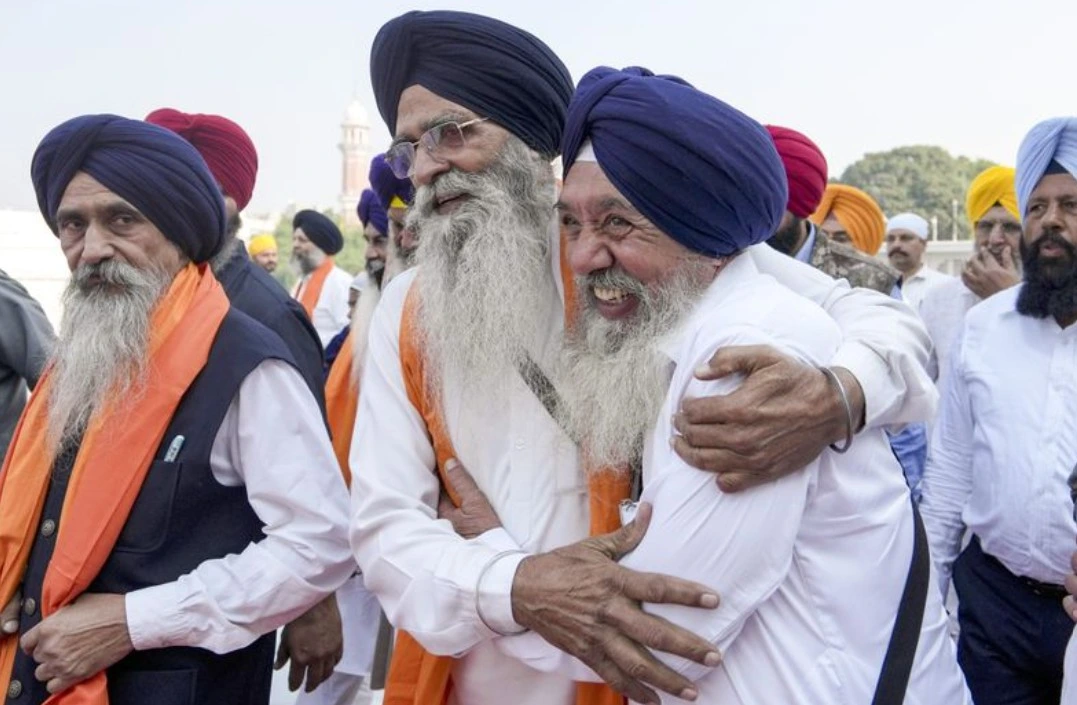


Amritsar, Nov 21: Harjinder Singh Dhami has been elected president of the Shiromani Gurdwara Parbandhak Committee (SGPC) for a sixth consecutive term during the annual general session held at Teja Singh Samundri Hall.
Alongside Dhami, the 112 members present at the session elected Raghujit Singh Virk as senior vice-president, Gurbakhsh Singh Khalsa as junior vice-president, and Gurpreet Singh Jhabbar as general secretary. An 11-member executive committee was also constituted, comprising Mohan Singh Bangi, Bawa Singh Gumanpura, Ranjit Singh Kahlon, Navtej Singh Kauni, Paramjit Kaur Munak, Ravinder Singh Khalsa, Darshan Singh Brar Mothanwali, Charan Singh Alamgir, Gurinderpal Singh Gora, Kuldeep Singh Nassupur, and Bibi Narinder Kaur Rania.
During the proceedings, the general house passed several resolutions addressing key Sikh community and regional matters. The body requested that the Jaagat Jot Sri Guru Granth Sahib Satkar (Amendment) Act, 2026, be kept on hold until pending objections are addressed and amendments are aligned with the directions issued by the Akal Takht.
The house also raised concerns regarding drug abuse in Punjab, referencing the death of Parvinder Singh in Mansa and seeking stronger administrative measures to curb the issue. Additionally, the committee urged the authorities to reopen the Kartarpur corridor and increase the number of jathas permitted to visit historic gurdwaras in Pakistan.
Other resolutions included seeking directions from the Akal Takht regarding Balwant Singh Rajoana’s case, advocating for the release of Bandi Singhs, and calling for SGPC general elections to be conducted every five years. Ahead of Amritsar’s 450th foundation anniversary in 2027, the body urged improved management of traffic, sanitation, and pollution in the city. The house further called for the safeguarding of the Punjabi language, religious minorities, and Punjab’s economic, political, and constitutional rights, including the transfer of Chandigarh to Punjab and an equitable distribution of river waters.