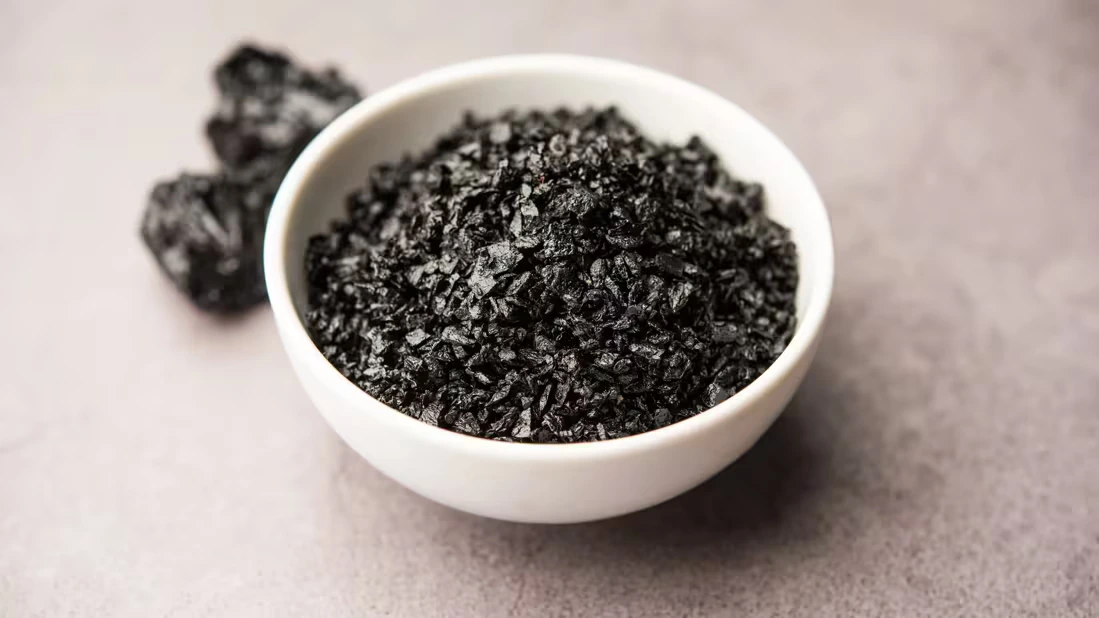


Chandigarh, March 18: Deep within the rocky precipices of the Himalayas, a natural substance known as Shilajeet emerges during the warmer months as a thick, mineral-rich resin. Often referred to as the “conqueror of mountains,” this organic matter is formed over centuries by the slow decomposition of specific plant life and minerals. Ayurveda, the ancient Indian system of medicine, has long revered this substance, categorizing it as a Rasayana, or a powerful rejuvenator capable of restoring balance and longevity.
The primary strength of Shilajeet lies in its dense concentration of fulvic acid and more than eighty-four minerals. Practitioners of traditional wellness systems have maintained that these components work at a cellular level to enhance the body’s natural energy production. By supporting mitochondrial function, the resin helps the system convert nutrients into usable energy more efficiently, which often results in a marked reduction in fatigue and an increase in physical stamina.
Beyond simple energy production, the substance is affirmed to have a significant impact on physical resilience. It acts as a natural catalyst for nutrient absorption, ensuring that the vitamins and minerals consumed through a regular diet are fully utilized by the tissues. Experts in natural health have stated that this process contributes to stronger bone density and muscle recovery, making it a staple for those looking to maintain physical vigor as they age.
Ayurvedic texts describe the resin as a substance that balances all three doshas, though it is particularly noted for its ability to pacify Vata and Kapha imbalances. It is declared to be a “Yoga-vahi,” a term signifying its unique ability to carry the healing properties of other herbs deep into the body’s various systems. Because of its warming nature, it is often utilized to support the immune system and promote healthy circulation throughout the limbs.
Modern wellness enthusiasts have also observed its role in cognitive health. Research into the antioxidant properties of fulvic acid suggests that it may help protect the brain from oxidative stress, thereby supporting memory and focus. Those who incorporate it into their routines have maintained that it provides a grounded sense of vitality, avoiding the jitters often associated with synthetic stimulants.