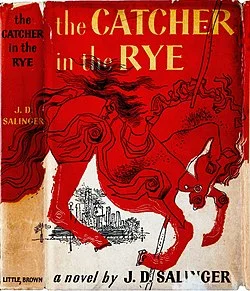


Chandigarh, Dec 11: The Catcher in the Rye, published in 1951, is a coming-of-age novel that follows a few days in the life of Holden Caulfield, a sixteen-year-old teenager recently expelled from Pencey Prep, a private school. The story is narrated by Holden himself, giving readers an intimate look into his thoughts, feelings, and observations.
After being expelled for failing most of his classes, Holden leaves Pencey early and wanders through New York City over several days. He avoids going home immediately, fearing confrontation with his parents. During his journey, he interacts with various people, including old friends, teachers, nuns, prostitutes, and strangers, often struggling to connect meaningfully with them.
Throughout the novel, Holden expresses deep disdain for what he calls “phoniness” in adults, perceiving the world as hypocritical and superficial. He also reveals profound loneliness, grief over the death of his younger brother Allie, and anxiety about the transition to adulthood.
Holden’s desire to protect innocence becomes a central theme, epitomized by his fantasy of being “the catcher in the rye,” standing in a field to save children from falling off a cliff—a metaphor for losing innocence and falling into the corrupt adult world.
By the end of the novel, Holden experiences a mental and emotional breakdown. He is hospitalized and narrates the story from a rest home, reflecting on his experiences and indicating he will eventually return home. The novel closes ambiguously, leaving readers unsure of Holden’s next steps but offering a poignant insight into adolescent turmoil.
The Catcher in the Rye is widely regarded as a classic of American literature, and for good reason. Salinger’s writing captures the raw, often cynical voice of adolescence, balancing humor, vulnerability, and insight. Holden Caulfield is a character who resonates with anyone who has ever felt alienated, confused, or disillusioned with society.
The novel excels in its authentic first-person narrative. Salinger uses colloquial language, digressions, and repetition to create a realistic teenage voice that is both relatable and memorable. Themes of alienation, grief, innocence, and resistance to adulthood remain timeless and universal.
However, some readers may find Holden frustrating due to his judgmental nature, constant complaining, and lack of action. The novel’s lack of conventional plot and episodic structure can feel meandering to those seeking a more traditional story arc.
Overall, The Catcher in the Rye is powerful for its emotional honesty and its exploration of the struggles of growing up. It is a book that leaves a lasting impression, offering readers both a mirror to adolescent angst and a window into the complexity of human emotion.