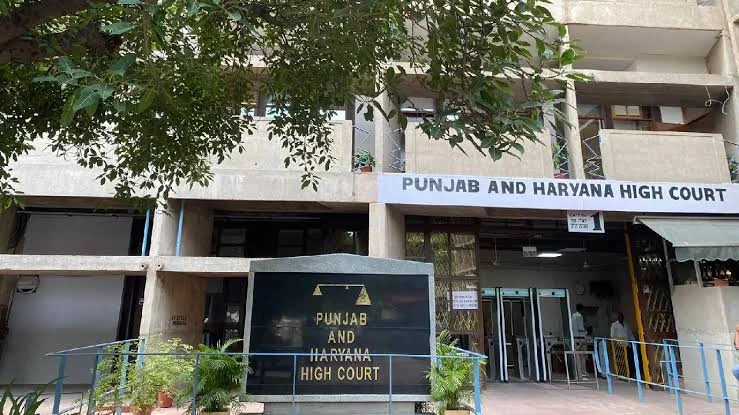


Chandigarh, Nov 19: The Punjab and Haryana High Court has called upon the governments of Punjab and Haryana to ensure impartial and effective enforcement of statutory rules governing the appointment, continuation, and removal of Lambardars, stating that the village-level post is a public responsibility rather than a hereditary entitlement.
A Division Bench comprising Justice Suvir Sehgal and Justice Rajesh Gaur delivered these observations while dismissing a Letters Patent Appeal filed by a candidate from Kurukshetra district seeking appointment as Lambardar after his father’s demise—despite having received recommendations from the Sub-Divisional Officer (Civil)-cum-Assistant Collector Ist Grade and backing from the Gram Panchayat.
“The office must be treated as a position of public responsibility rather than as a hereditary privilege or an instrument for perpetuating family influence. Its continuance should depend upon the incumbent’s competence, integrity, availability and actual performance of the duties entrusted to him,” the Bench stated.
The court noted that passing the post across generations upon an incumbent’s death—regardless of whether successors possess the ability or willingness to serve—adversely impacts rural governance. Questioning why incapable incumbents resist stepping down for more deserving candidates, the judges suggested the reluctance stems from the “social and economic advantages associated with the office rather than in any genuine commitment to the discharge of responsibilities.”
Warning against unchecked authority, the Bench remarked that in some villages, the dominance of a Lambardar’s family resembles obedience accorded in monarchical times, which runs counter to equality and democratic participation. Enforcing existing rules fairly, the court concluded, will curb concentrated family influence and strengthen grassroots accountability.