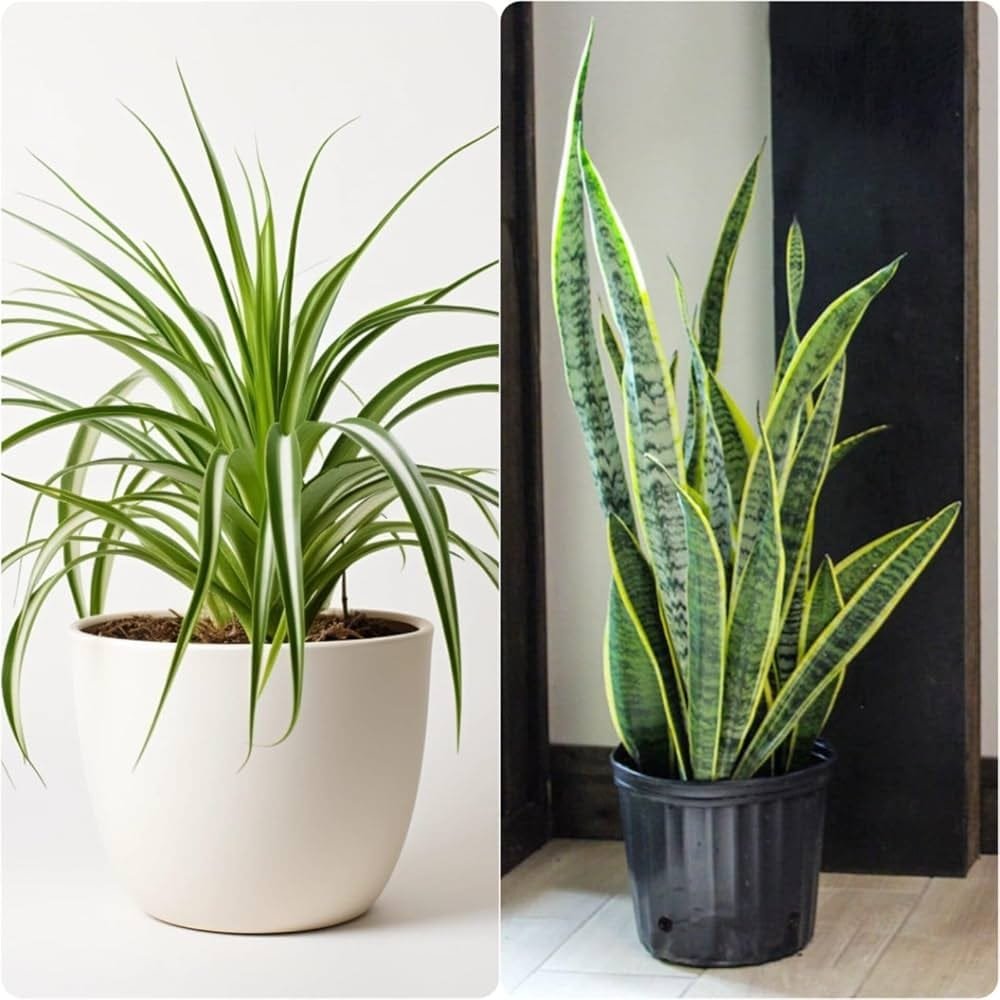


Chandigarh, December 21: As winter settles in, the drop in temperature doesn’t just affect us—it quietly challenges our indoor plants too. While houseplants are shielded from frost and snowfall, the season brings its own set of problems: reduced sunlight, dry indoor air, and sudden temperature fluctuations. With a few mindful adjustments, however, your green companions can not only survive winter but stay healthy until spring.
Shorter days mean less natural light, and many indoor plants respond by slowing their growth. Place plants closer to windows that receive maximum daylight, preferably south- or east-facing ones. Clean windowpanes to allow more light in, and rotate pots every few weeks so plants grow evenly. If natural light is scarce, low-cost LED grow lights can help bridge the gap.
Most indoor plants need less water in winter as growth slows and evaporation decreases. Overwatering is one of the most common mistakes during this season. Check the soil with your finger before watering—if the top inch feels dry, it’s usually safe to water. Always ensure pots have drainage holes to prevent waterlogging and root rot.
Heaters and room warmers can drastically reduce humidity, leaving plants with brown leaf tips and wilting foliage. Grouping plants together helps create a humid microclimate. You can also place pots on trays filled with pebbles and water, ensuring the base of the pot doesn’t sit directly in water. Light misting works for some plants, though tropical varieties benefit more from consistent humidity.
Sudden changes in temperature can stress plants. Avoid placing them near radiators, heaters, fireplaces, or drafty windows and doors. Nighttime cold near glass panes can be harmful, so moving plants a few inches away from windows after sunset can make a difference.
Winter is not a growing season for most houseplants. Fertilising during this period can do more harm than good, leading to weak or leggy growth. It’s best to pause feeding entirely or reduce it significantly until longer days return in spring.
Dust accumulates more indoors during winter and can block sunlight from reaching leaves. Gently wipe leaves with a damp cloth every few weeks. This also gives you a chance to spot pests like spider mites or mealybugs early, which tend to thrive in dry indoor conditions.
Some plants handle winter better than others. Snake plants, pothos, ZZ plants, and peace lilies are known for their resilience and low winter maintenance, making them ideal for colder months.
With patience and a little observation, winter can become a restful period rather than a risky one for indoor plants. Think of it as a time to slow down—less water, gentler care, and more attention to light. Come spring, your plants will reward you with fresh growth and renewed vitality.