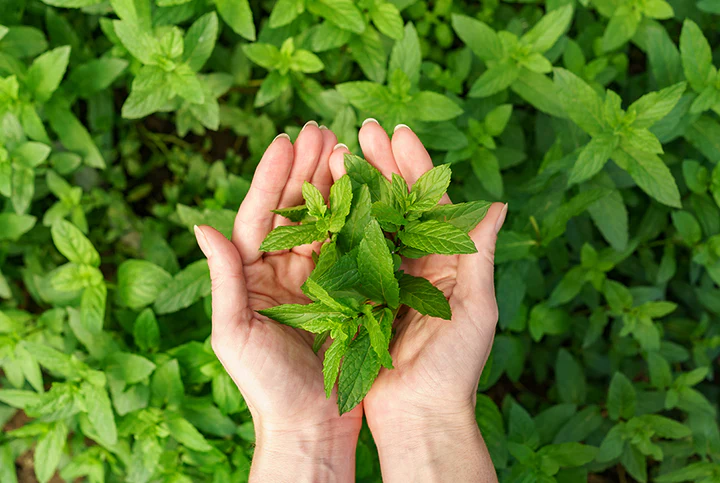


Chandigarh, Feb 11: The traditional Indian household often centers around a small, vibrant plant known as Tulsi, or Holy Basil, which has transitioned from a spiritual symbol to a globally recognized powerhouse of wellness. Beyond its cultural significance, this herb is increasingly hailed by modern science for its diverse medicinal properties that support everything from respiratory health to stress management.
“Tulsi is truly the queen of herbs because it acts as an adaptogen, helping the body navigate the physical and mental pressures of modern life,” says Dr. Anjali Sharma, a wellness expert specializing in traditional medicine. She notes that regular consumption of the leaves can significantly bolster the body’s natural defenses.
One of the most immediate benefits of Tulsi is its impact on the respiratory system. The plant contains bioactive compounds like eugenol and camphene which help clear congestion and support lung function. It is often the first line of defense in local households for managing common coughs and seasonal colds, acting as a natural expectorant.
The benefits extend deep into the digestive tract. Tulsi helps in secreting digestive enzymes that ensure smooth nutrient absorption while preventing common issues like acidity or bloating. Furthermore, recent studies suggest that Tulsi may play a role in regulating blood sugar levels, making it a supportive addition for those looking to maintain metabolic balance.
“When we look at the chemical profile of Holy Basil, we see a complex mix of antioxidants that protect cells from damage caused by free radicals,” explains herbalist Rajesh Kumar.
In an era where mental fatigue is common, Tulsi serves as a natural calmative. Its adaptogenic properties mean it helps the body maintain equilibrium during periods of high anxiety. By balancing cortisol levels, the herb promotes a sense of peace and sharpens cognitive focus without the sedative effects found in synthetic alternatives.
The plant also possesses significant anti-inflammatory and antimicrobial properties. Whether used as a topical application for skin health or consumed as a tea to purify the blood, its versatility remains unmatched. Experts suggest that the simple act of chewing a few fresh leaves daily can improve oral hygiene by combating bacteria that cause bad breath and gum disease.
The continued integration of Tulsi into daily routines represents a bridge between ancient wisdom and contemporary health needs, providing a gentle yet effective path toward holistic well-being.