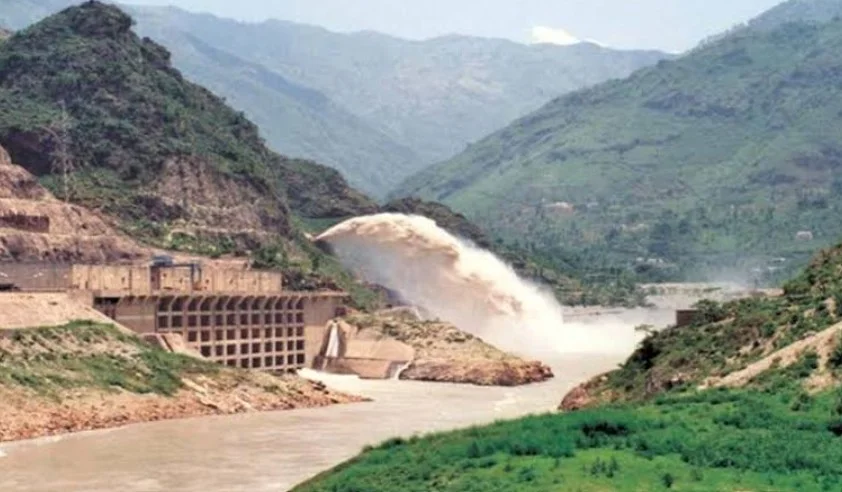


Chandigarh, March 18: The power sector in Punjab has been hit by a significant crisis as the 990 MW Dehar Power Plant, a critical hydroelectric project under the Bhakra Beas Management Board (BBMB), has completely stopped generation. All six generating units of the plant, each with a capacity of 165 MW, have been non-functional since early March 2026. The Punjab Government has expressed serious concerns over the total shutdown, citing massive generation losses and alleging gross mismanagement of the Beas-Sutlej Link (BSL) Project.
Authorities from Punjab affirmed that the power output has been steadily declining since 2022 due to technical faults, silt accumulation, and repeated maintenance issues. The crisis peaked this month when Unit No. 3 failed due to excessive vibrations, followed by the breakdown of Unit No. 4 due to leakage. With Units 1 and 2 already under maintenance and the remaining units also offline, official data confirmed that water diversion through the BSL system dropped to zero on March 4.
The state government maintained that a major factor behind the failure is persistent silt ingress, which has eroded turbine components and reduced operational efficiency. Punjab officials declared that environmental restrictions on dredging have worsened the situation and called for year-round silt disposal mechanisms. The state has accused the BBMB of failing to report the full extent of these failures to the Central Electricity Authority (CEA) and has demanded a third-party technical audit to fix accountability for the revenue losses.
In response, the BBMB asserted that it has initiated steps for the revival of the project, including a detailed plan for renovation and modernization submitted to the CEA. The Board stated that orders have been placed with BHEL for critical components and efforts are underway to install debris barriers. However, Punjab officials maintained their dissatisfaction, asserting that a prolonged shutdown of such a major peaking station could severely impact the regional power supply during high-demand seasons.