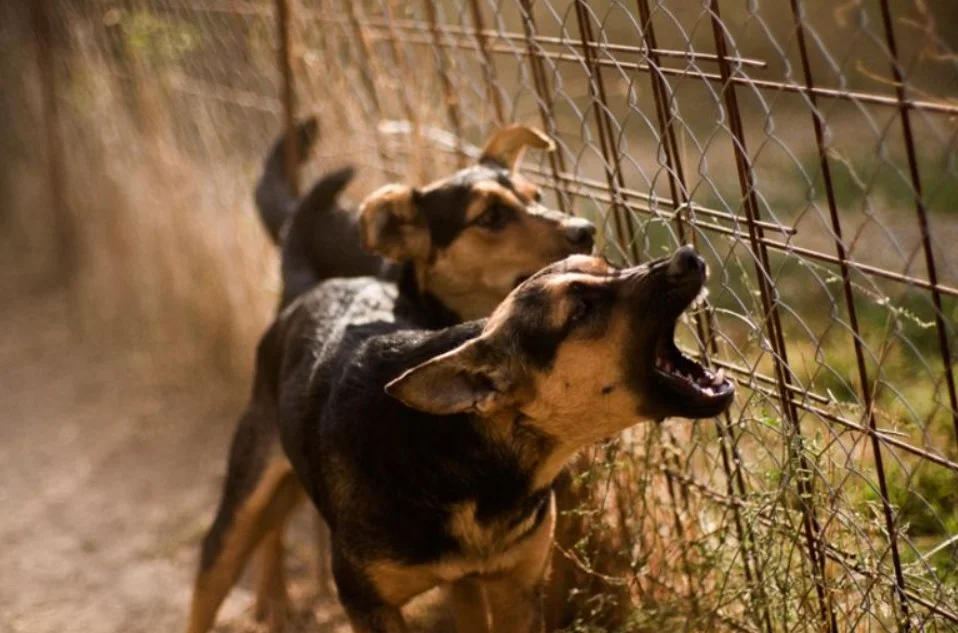


CHANDIGARH, MAY 25 — The Punjab Local Government Department has started mapping high-priority areas to establish strict “no-go zones” where stray dogs and cattle will be legally barred. The strategic initiative follows recent public discussions regarding the administration’s animal management policies and lines up with standing guidelines from the Supreme Court.
The draft management plan prioritizes the complete removal of stray animals from major traffic corridors and prominent public infrastructure points. According to departmental sources, administrative authorities will soon appoint specialized nodal officers to oversee monitoring, secure perimeter fencing, and manage enforcement across vulnerable urban and rural sectors.
“I informed the field offices to coordinate immediately on high-risk zones,” a senior department official stated, speaking on the condition of anonymity. The official noted that the state is addressing a significant public safety challenge, given that Punjab recorded 3.34 lakh dog-bite cases in 2025 and over 1.37 lakh cases during the first four months of this year alone.
Punjab Local Government Minister Harjot Bains asserted that detailed operational guidelines will be made public in the coming days. The formal action plan, scheduled for official release this week, will initially focus its resources on clearing state and national highways in cooperation with the Transport Department, the Public Works Department, and local police networks.
The administration noted that the zero-tolerance policy for stray animals will extend directly to educational institutions, medical facilities, athletic complexes, transit hubs, and religious properties. Respective departments have been given an eight-week window to reinforce gates and upgrade scientific waste management protocols to eliminate open food sources that attract packs of animals.
To expand institutional capacity, the state has proposed building new animal shelters and establishing Animal Birth Control centers across all 23 districts. Punjab currently operates only 18 such sterilization centers, which manage an average of 3,500 canine sterilizations per month.