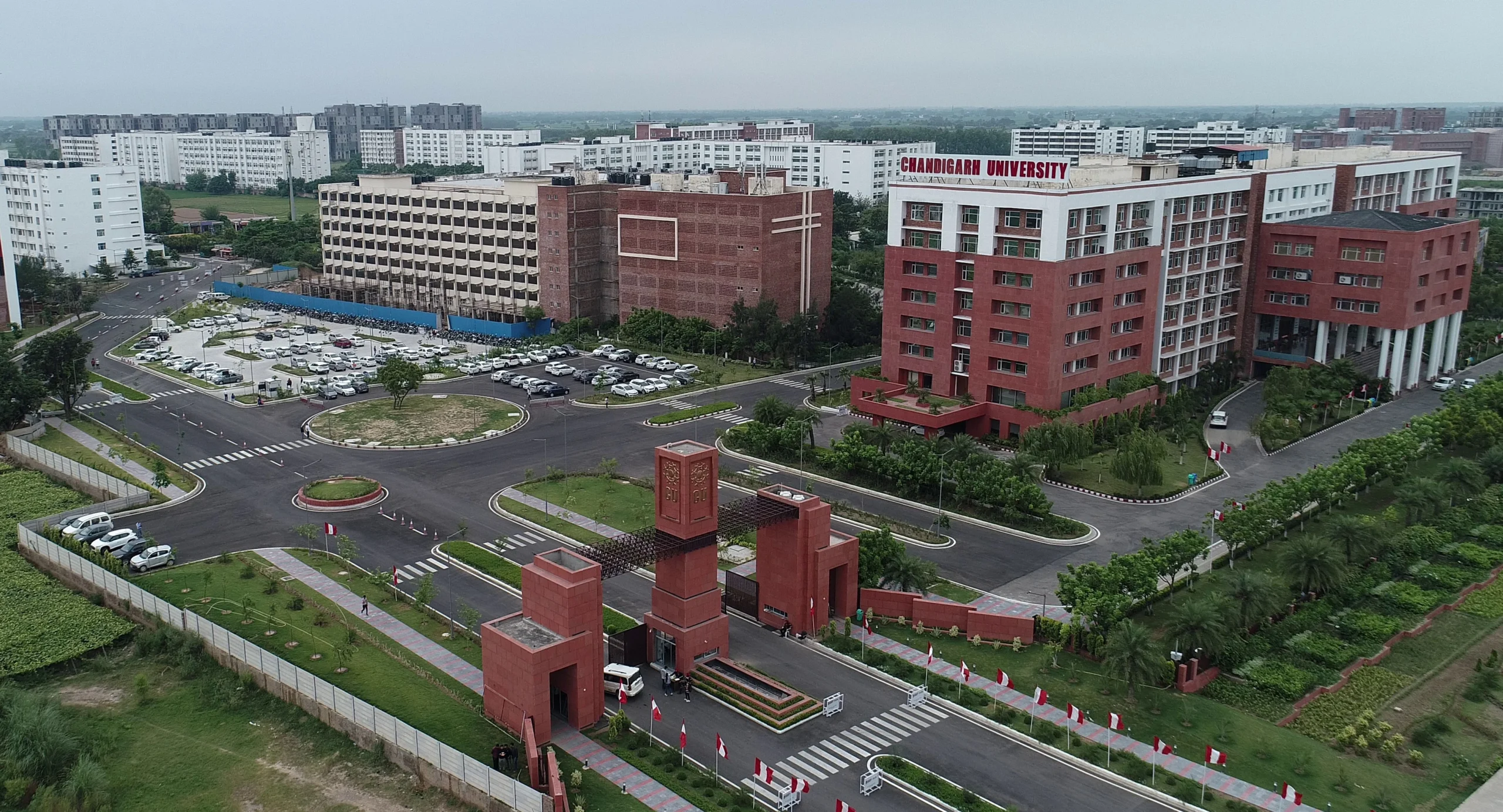


CHANDIGARH, AUGUST 17: Prominent space scientists, mission experts, industry leaders, and academic authorities assembled at Chandigarh University for the opening of the National Space Technology Conclave (NSTC) 2026. Organised by the university’s Kalpana Chawla Centre for Research in Space Science and Technology (KCC) in partnership with the Indian Space Research Organisation (ISRO) and the Indian Institute of Space Science and Technology (IIST), the two-day gathering focuses on key technological advancements driving India’s space ecosystem.
The event features participation from around 30 experts representing ISRO, IIST, the Indian National Space Promotion and Authorization Center (IN-SPACe), NewSpace India Limited (NSIL), and the UR Rao Satellite Centre (URSC), alongside top executives from leading space startups. Markedly, Chandigarh University released the ‘Declaration on Space Technology for Viksit Bharat 2047’, seeking to establish a structured pathway for higher education institutions to directly support national space objectives.
Speaking as the chief guest, Dr Vinod Kumar, Director of the Promotion Directorate at IN-SPACe, pointed out that while ISRO built strong foundation technologies across satellite systems and launch vehicles, a large portion of domestic demand historically relied on external sources. He noted that opening the space sector to private entities in June 2020 laid the groundwork for significant domestic growth, fostering an environment that now supports over 450 startups. He maintained that regulatory frameworks and specialized funding schemes, such as the Space Seed Fund and Technology Adoption Fund, continue to help young innovators progress from early concepts to field demonstrations.
Dr YVN Krishnamurthy, former Scientific Secretary at ISRO, affirmed that the core strength of the nation’s space initiative rests on cost-effective engineering, extending satellite utility, and applying space technology for societal development. He encouraged students to pursue ambitious goals beyond traditional classroom settings, noting that expanding space technology applications across numerous government ministries opens substantial avenues for emerging researchers.
Similarly, Nilesh M Desai, former Director of the Space Applications Centre (SAC), ISRO, stated that the ongoing space sector reforms encourage vital private participation while addressing the growing demand for skilled professionals in communication and navigation fields. He noted that collaborative academic initiatives help develop the technical talent essential for upcoming missions.
Addressing the industrial landscape, Sanjay, CEO of Dhruva Space, asserted that the national satellite fleet is poised for expansion as domestic enterprise grows to serve international markets. He suggested that university research initiatives focus on developing constellations of small satellites designed to address societal needs while building national infrastructure.
Prof. (Dr) Eswar Sunkara, Senior Director at KCC, declared that the newly unveiled declaration provides clear strategic direction for academic institutions. He outlined the vision to build Chandigarh University into a regional research hub capable of preparing industry-ready graduates aligned with the long-term national development goals for 2047. The conclave continues with interactive technical sessions, technology displays, and panel discussions between students and domain specialists.