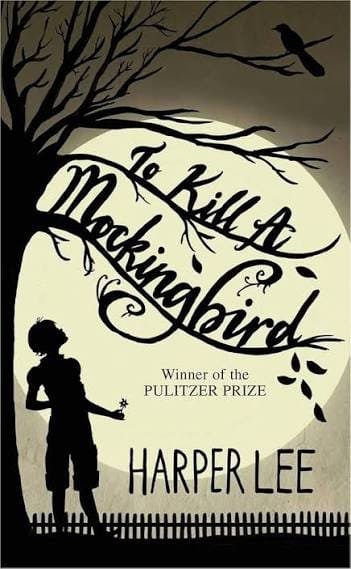


Chandigarh, Dec 8: Set in the small Southern town of Maycomb during the 1930s, To Kill a Mockingbird follows six-year-old Scout Finch as she navigates a world shaped by racial tension, class divides, and the expectations placed on her family. Her father, Harper Lee’s unforgettable character Atticus Finch, is appointed to defend Tom Robinson, a Black man falsely accused of raping a white woman.
Through Scout’s innocent eyes, the story reveals the moral complexities of the case. Atticus stands firm in his belief in equality and justice, calmly resisting the hostility of neighbors and the deep-rooted racism of the courtroom and community. Scout and her brother Jem grapple with witnessing injustice firsthand, discovering how unfair the adult world can be.
Parallel to the courtroom drama, the children become fascinated by their reclusive neighbor, Boo Radley. What begins as childhood fear slowly transforms into understanding and empathy, culminating in a moment that reshapes Scout’s perception of goodness and humanity.
In a world marked by prejudice, courage, and compassion, the novel shows that true bravery often appears quietly—sometimes in a courtroom, sometimes on a front porch, and sometimes in simply choosing to do what is right when the world chooses otherwise.