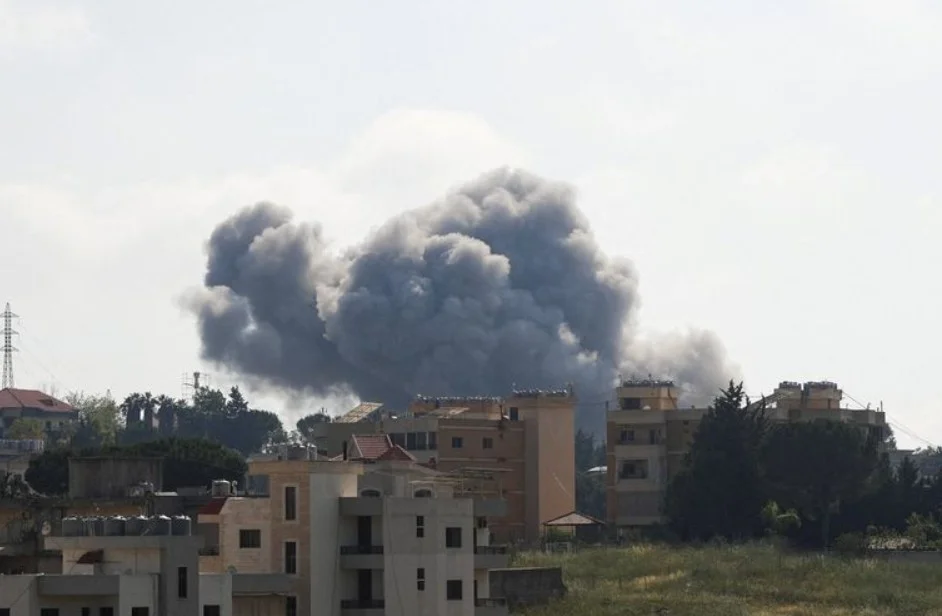


WASHINGTON, MAY 28 — United States military forces intercepted multiple unmanned aerial vehicles and struck an infrastructure site in southern Iran overnight, according to defense officials, complicating efforts to finalize a diplomatic resolution to the three-month conflict.
U.S. Central Command confirmed that its forces brought down four one-way attack drones operating near the Strait of Hormuz. Following the interceptions, American assets targeted and destroyed an Iranian ground control station located in the strategic port city of Bandar Abbas. A defense official stated that the installation was eliminated just as personnel prepared to launch a fifth drone toward maritime traffic.
While Washington described the operation as a measured, defensive measure aimed at upholding a fragile, weeks-old ceasefire, the exchange triggered a sharp response in Tehran. The Islamic Revolutionary Guard Corps subsequently announced a retaliatory strike against a U.S. military installation in the region, focusing attention on American facilities in nearby Kuwait.
President Donald Trump addressed the escalating tensions during a televised cabinet meeting, asserting that the administration remains committed to securing a comprehensive pact despite the flare-up. He stated that Iran is currently under extreme economic pressure and must accept strict terms regarding its nuclear infrastructure.
“They want very much to make a deal,” Trump said. “So far they haven’t gotten there. We’re not satisfied with it, but we will be. Either that or we’ll have to just finish the job.”
The administration’s current approach has met with internal resistance from within the Republican Party, where several lawmakers have questioned the long-term viability of a negotiated settlement. Concerns center on the exact mechanism Iran would use to surrender its extensive stockpiles of enriched uranium, as well as whether a prospective treaty would effectively cover regional proxy conflicts, such as the ongoing hostilities between Israel and Hezbollah in southern Lebanon.
Diplomatic efforts to expand the Abraham Accords to include nations like Saudi Arabia, Pakistan, Qatar, and Kuwait also face substantial hurdles. Representatives from Riyadh have maintained that formal diplomatic recognition remains contingent on the establishment of an independent Palestinian state. International security experts noted that any premature lifting of economic sanctions could inadvertently provide Tehran with the financial liquidity needed to resupply its regional proxies, threatening broader regional stability.