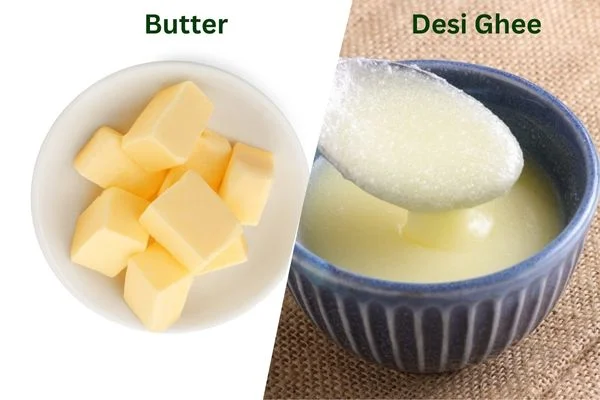


Chandigarh, March 13: The culinary landscape of Punjab and the wider region has long been anchored by the presence of clarified butter, commonly known as ghee. While butter remains a staple in many households, health experts and nutritional researchers have increasingly affirmed the superior profile of ghee for those seeking a balance of flavor and physical well-being. This traditional fat, stripped of its milk solids, offers a range of benefits that extend far beyond simple taste.
Ghee serves as an ideal alternative for individuals who experience sensitivities to dairy products. Because the clarification process involves simmering butter and removing the whey and casein, the resulting product is almost entirely free of lactose. Health practitioners have maintained that this makes ghee significantly easier on the digestive system compared to standard butter, which still contains the proteins and sugars that can cause discomfort for many.
The thermal stability of ghee is another point of distinction frequently cited by culinary experts. Ghee possesses a smoke point of approximately 250°C, which is considerably higher than the 175°C threshold of butter. It has been declared that cooking at high temperatures with ghee prevents the formation of harmful free radicals, ensuring that the nutritional integrity of the food remains intact during the sautéing or frying process.
Dietary specialists have asserted that the presence of Butyric acid in ghee plays a vital role in maintaining gut health. This short-chain fatty acid is known to support the cells lining the digestive tract and possesses natural anti-inflammatory properties. While butter contains small amounts of this acid, the concentrated nature of ghee provides a more potent source for those looking to improve their internal immunity and digestion.
In the context of fat-soluble vitamins, ghee is a rich repository of Vitamins A, E, and K. These nutrients are essential for maintaining healthy vision, skin, and bone density. It has been affirmed by nutritional consultants that the fats in ghee actually assist the body in absorbing these vitamins more effectively from other vegetables and grains served during a meal.
The longevity of the product also adds a practical layer to its health appeal. Due to the absence of water and milk solids, ghee is shelf-stable and does not go rancid as quickly as butter. This lack of moisture prevents the growth of bacteria, ensuring a pure and consistent quality over long periods.
Government-backed nutritional guidelines often suggest a moderate intake of healthy fats, and ghee fits within this framework as a culturally significant and scientifically sound choice. By choosing ghee, consumers are not merely adhering to tradition but are making a conscious decision to fuel their bodies with a cleaner, more stable, and more digestible form of energy.