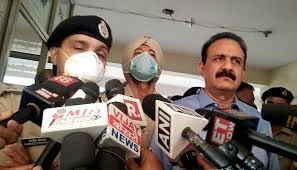


Chandigarh, Dec 19: Police departments across India periodically tighten media rules, arguing that only senior officers should speak on record. The logic is simple: investigations are fluid, facts evolve, and premature disclosures can mislead the public or weaken cases in court.
Senior officers are trained to filter information — what is legally safe, what serves public interest, and what must stay confidential until a case is concluded. In high-stakes investigations, a single unverified statement from a junior officer can trigger speculation, trial by media, or political controversy.
But tighter controls also expose an uncomfortable truth: information does not stop flowing just because official briefings do.
Journalists often develop independent sources within the system. When formal channels close, reporting moves off record. This can sometimes reduce transparency rather than improve it, replacing verified statements with unattributed inputs that are harder for the public to assess.
There is also the risk of narrative control. Restricting access to official voices may prevent confusion, but it can also delay confirmations, limit accountability, and concentrate power over information in a few hands.
The challenge, then, is balance. Police leadership must protect investigations from premature exposure, while journalism must continue to question, verify, and inform — even when answers are uncomfortable.
Ultimately, credibility lies not in silence or leaks, but in timely, factual communication. One voice may reduce noise, but trust is built when that voice speaks clearly, consistently, and truthfully.