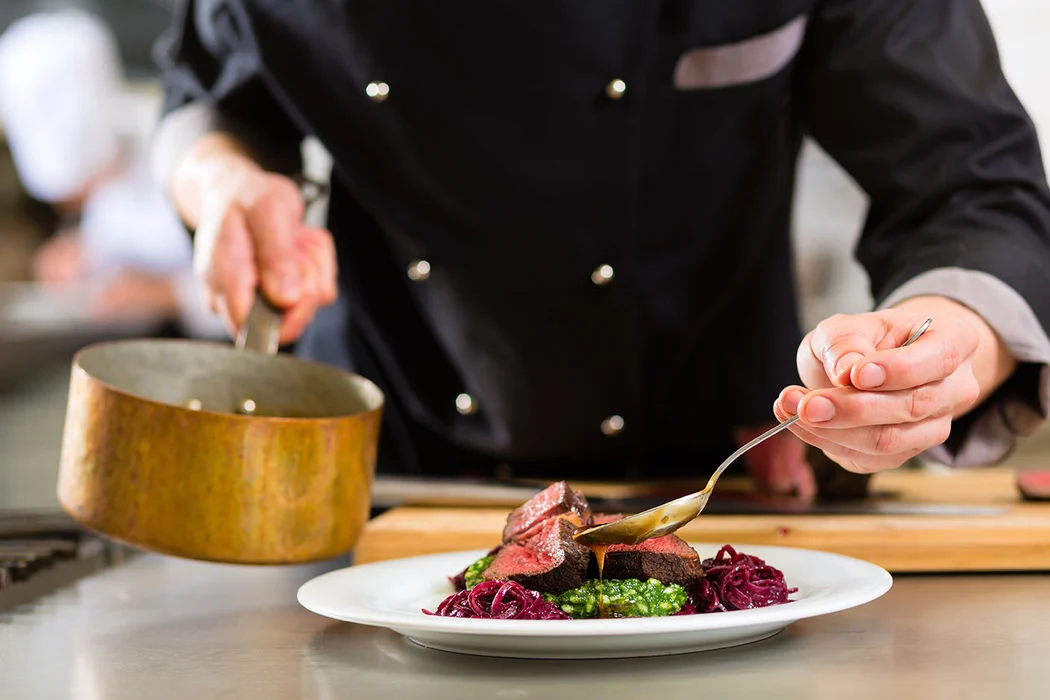


Chandigarh, Feb 13: The transition of raw ingredients into a finished meal is often described as the ultimate alchemy. While science explains the chemical reactions—the Maillard reaction browning a steak or the emulsification of oil and vinegar—it is the human element that elevates cooking into an art form. Beyond the sustenance it provides, the act of preparing food serves as a profound medium for emotional and physical healing.
Cooking is an art because it demands the same intuitive leap as painting or music. A chef uses a palette of flavors—salty, sweet, sour, bitter, and umami—to create a composition that resonates with the senses. Like a musician understands the “color” of a note, a cook understands how the sharpness of a lemon cuts through the heaviness of a cream sauce.
The artistry lies in the improvisation. A recipe is merely a blueprint; the true art occurs when the cook adjusts the seasoning based on the humidity in the air, the ripeness of the produce, or the specific mood of the guests. It is a sensory performance where the sizzle of a pan is the soundtrack and the arrangement on the plate is the visual climax.
In recent years, mental health professionals have increasingly recognized “culinary therapy” as a legitimate tool for healing. The kitchen provides a unique environment for mindfulness, grounding individuals in the present moment through tactile engagement.
Mindfulness and Focus: The rhythmic nature of chopping vegetables or kneading dough encourages a flow state. This repetitive motion can lower cortisol levels and quiet the “noise” of anxiety.
Sensory Grounding: Engaging all five senses—the smell of toasted spices, the texture of flour, the vibrant colors of fresh bell peppers—pulls the mind away from abstract worries and back into the physical body.
Creative Agency: For those feeling a lack of control in their professional or personal lives, the kitchen offers a space where they are the absolute authority. Deciding exactly how much spice to add provides a small but significant sense of empowerment.
Healing through cooking is not just an internal process; it is deeply communal. Food is a universal language that bridges cultural and emotional gaps.
“Cooking is one of the few remaining ways we have to show love in a tangible, consumable form.”
When we cook for others, we are participating in an act of service that releases oxytocin, the “bonding hormone.” For those recovering from grief or loneliness, the act of feeding someone else—or being fed—rebuilds the social fabric that trauma often tears apart. Even the preparation of “comfort foods” serves as a form of biological time travel, triggering neural pathways associated with safety and childhood nostalgia.
Finally, cooking heals by returning us to the source of our vitality. In an era of ultra-processed convenience, the deliberate act of “slow cooking” allows us to reclaim our health. By selecting whole ingredients, we treat the kitchen as a pharmacy.
The medicinal properties of garlic, the anti-inflammatory benefits of turmeric, and the gut-healing power of fermented foods are all tools in the cook’s kit. When we cook with intention, we are not just making a meal; we are constructing the very cells of our future selves.