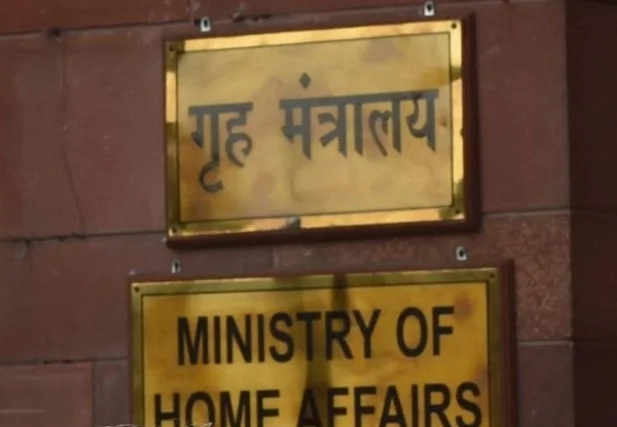


NEW DELHI, September 10: The Ministry of Home Affairs (MHA) has asked the Leh Apex Body (LAB) and Kargil Democratic Alliance (KDA) to deliberate on around 8–10 key issues and arrive at a consensus before the Centre moves ahead with the drafting of a proposed constitutional framework under Article 371 for Ladakh.
Ladakh Chief Secretary Ashish Kundra, who participated in the MHA sub-committee meeting with representatives of Ladakh in New Delhi, said discussions had made progress on the proposal to establish a Union Territory-level elected body under a special constitutional arrangement.
Kundra said representatives of the LAB and KDA had agreed that elections to the proposed body should be held through direct elections from constituencies, instead of an indirect system involving the Ladakh Autonomous Hill Development Councils (LAHDCs).
However, several crucial aspects of the proposed arrangement remain unresolved. These include the distribution of powers between the LAHDCs and the proposed UT-level body, as well as the subjects and areas that would come under the jurisdiction of each institution.
8–10 Questions Sent to Ladakh Leadership
Kundra said the MHA had placed around 8–10 questions before Ladakh’s representatives and asked them to discuss the issues among themselves, consult the people and communicate their position to the Centre.
He said the Centre had already begun work on the proposed framework and urged the Ladakh leadership to provide its responses at the earliest so that the drafting process can move forward.
The next meeting between the Centre and representatives of Ladakh is expected to be held in the first half of October, when the discussions are likely to focus on reaching agreement on the basic principles of the proposed arrangement.
Centre Says Governance Model Will Not Be Imposed
Kundra said the Centre did not want to impose any governance structure on Ladakh without taking into account the wishes and aspirations of its people.
He said agreement on the fundamental principles was necessary before legal drafting could begin.
“Before preparing a document, there has to be agreement on the principles. Legal drafting of the Bill will follow once there is agreement on those principles,” Kundra said.
Land, Culture, Environment and Jobs Among Key Concerns
The discussions are focused on several major concerns raised by the people of Ladakh, including protection of land, culture, heritage, mineral resources, environment and employment.
Kundra said a reservation mechanism for jobs had already been provided for Ladakh, while the Centre had indicated that constitutional safeguards could be extended to address other major concerns.
Under the proposed governance structure, Panchayats would operate at the grassroots level, followed by the LAHDCs, while the proposed UT-level elected body would function above them.
Proposed Arrangement Will Not Mean Statehood
Kundra clarified that the proposed constitutional arrangement should not be construed as restoration of statehood to Ladakh.
Instead, he said the Centre and Ladakh’s representatives were working towards a “sui generis” governance model that would provide the proposed elected institution with legislative, executive and financial powers.
“It will not be a state, and it will not be a Union Territory with a legislature in the conventional sense. It will be some other kind of body which will have these powers,” he said.
The final name and nomenclature of the proposed institution, however, have not yet been decided.
Article 371 Framework Being Considered After Sixth Schedule Discussions
The proposed arrangement has emerged following prolonged discussions over Ladakh’s demand for inclusion under the Sixth Schedule of the Constitution.
Kundra said the Centre subsequently felt that the Sixth Schedule had certain limitations and was prepared to consider a broader constitutional arrangement through Article 371.
He said safeguards incorporated into the Constitution through Article 371 would be difficult to alter later without going through another constitutional amendment process.
Centre Seeks Patience Before Drafting Bill
Kundra also appealed to stakeholders to exercise patience over demands for an immediate draft, saying the Centre wanted the final framework to emerge through consultation and consensus.
He cautioned that rushing the process could create complications, particularly because changes to a constitutional arrangement at a later stage would be difficult.
Cases Related to September 24 Incident
On matters related to the September 24 incident last year, Kundra said cases identified for withdrawal would be forwarded to the Lieutenant Governor for consideration.
He added that a proposal concerning compensation would also be submitted for consideration.
Kundra urged Ladakh’s political leadership to maintain a positive atmosphere and submit its responses to the questions at the earliest, stressing that the October meeting was approaching and that the drafting process could advance once consensus was reached.
The latest developments come amid continuing negotiations between the Centre, LAB and KDA over Ladakh’s demand for greater political representation, administrative powers and constitutional safeguards following the region’s creation as a Union Territory in 2019.