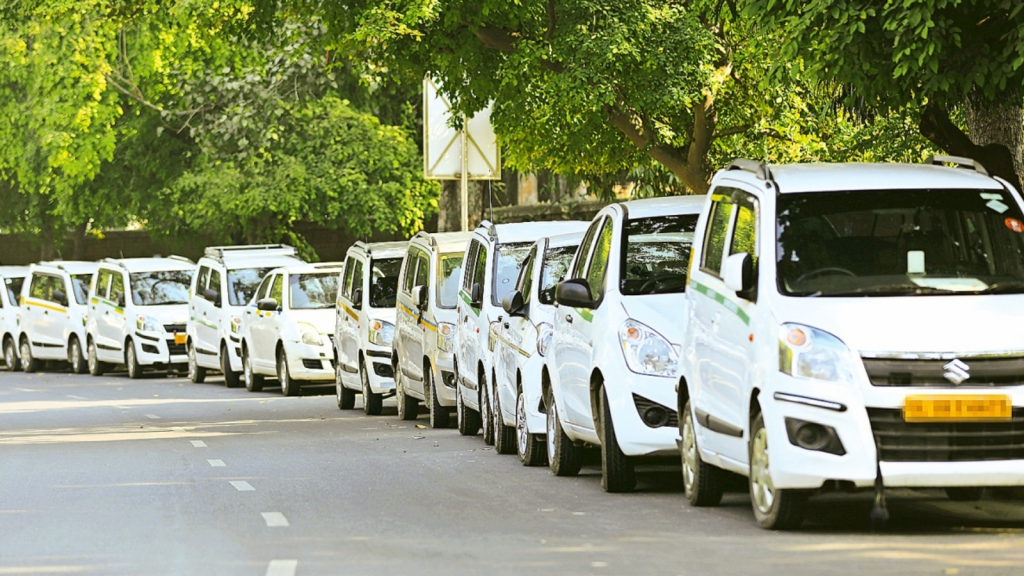


LUCKNOW, AUGUST 21 — The Yogi government is completely changing the game for app-based rides and food deliveries in Uttar Pradesh. Under the newly rolled out UP Motor Vehicles Aggregator and Delivery Service Provider Rules, 2026, digital platforms like Uber, Ola, and Zomato will now face strict state oversight to ensure passengers aren’t fleeced and drivers are well protected.
To back this up, the state has launched the UP My Fleet portal (upmyfleet.com). The digital system is already live, tracking over 3.15 lakh vehicles from two major aggregator companies operating in the NCR region.
Putting Brakes on Surge Pricing and Late Pickups
If you are tired of sky-high fares during peak hours or drivers canceling on you, the new policy brings some massive relief:
Surge Pricing Capped: Aggregators can no longer charge whatever they want during high demand. Dynamic pricing is now strictly capped at a maximum of 50% over the base fare.
Late Pickup Fine: If a driver accepts your booking but fails to show up on time without a valid reason, a ₹100 penalty will be slapped on the company.
Cashback for Passengers: The best part? The ₹100 penalty isn’t for the government—it will be directly credited as a discount on your next trip.
Dedicated Help: Companies must appoint a Grievance Redressal Officer to solve your complaints about fares, ride cancellations, or bad behavior immediately.
Psychological Tests & ₹10 Lakh Insurance for Drivers
The policy balances passenger safety with serious social security for the gig-economy workers who keep these services running.
Behavioral Checks: Drivers will now have to go through mandatory police verification, character checks, and psychological testing, alongside regular refresher training.
Massive Insurance Covers: In a major win for driver welfare, companies must provide a ₹5 lakh health insurance and a ₹10 lakh term insurance policy for their drivers. Commuters will also get mandatory ride insurance.
“A large number of drivers work in app-based transport and delivery services. In situations such as accidents, illness, or untimely death, this insurance cover will provide crucial economic support to their families,” the official document highlights.
High Stakes and Big Security Deposits
To weed out fly-by-night operators, the government is making companies put their money where their mouth is. Starting now, aggregators must pay a ₹25,000 application fee and a ₹5 lakh license fee.
They also have to park heavy security deposits with the Transport Department based on how many vehicles they run. If they break the rules, the government will deduct fines directly from these deposits:
- Up to 1,000 vehicles / 100 buses: ₹10 Lakh deposit
- Up to 10,000 vehicles / 1,000 buses: ₹25 Lakh deposit
- Over 10,000 vehicles / 1,000 buses: ₹50 Lakh deposit
Driving the NCR Toward Electric Vehicles
The policy is also taking a hard line on pollution, especially in the choked NCR zones. The ‘UP My Fleet’ portal will continuously monitor the emissions of active commercial fleets. More importantly, the state is mandating a gradual shift toward Electric Vehicles (EVs), forcing companies to systematically replace their petrol and diesel cars and delivery bikes with battery-operated alternatives.
“The government will gain a digital mechanism for monitoring aggregator companies and their vehicles, ensuring compliance and controlling pollution. This will curb the tendency of running services in an unregulated manner,” the framework notes.