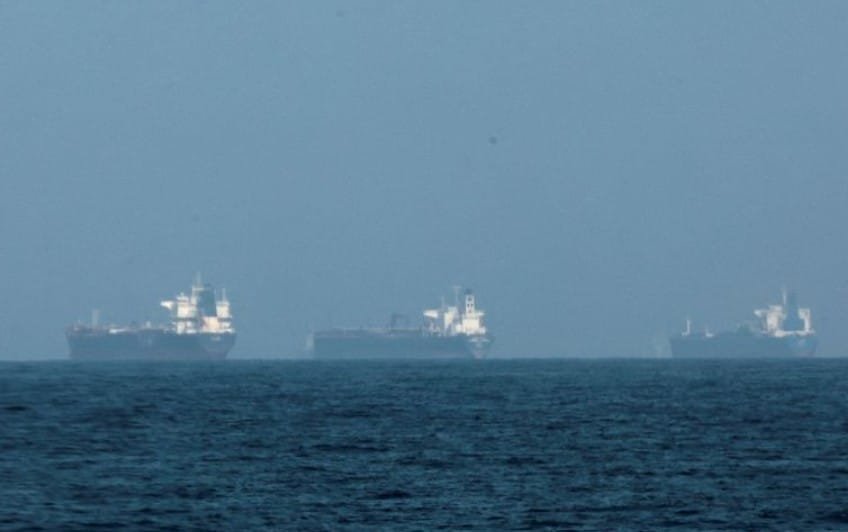


Chandigarh, March 4: Global energy markets reacted sharply on Tuesday as escalating conflict in the Middle East led to a significant halt in energy exports and shipping. The benchmark Brent crude oil contract settled at $81.40 a barrel, marking a 4.7 per cent increase and its highest level since early last year.
The disruption follows a series of attacks on maritime vessels and energy infrastructure, effectively closing navigation through the Strait of Hormuz. This vital artery accounts for approximately 20 per cent of the world’s oil and liquefied natural gas (LNG) supply. Data from vessel-tracking firms indicated that tanker transits through the strait plummeted from an average of 24 per day to just four following the outbreak of hostilities.
International leaders have expressed concern regarding the potential for a prolonged crisis to trigger a spike in global inflation. “The U.S. Navy could begin escorting oil tankers through the Strait of Hormuz if necessary,” stated U.S. President Donald Trump. He affirmed that the administration is taking aggressive steps to stabilize markets, including the provision of political risk insurance for maritime trade through the U.S. International Development Finance Corporation.
The impact on production has been immediate and widespread. Iraqi oil officials maintained that the country might be forced to cut output by more than 3 million barrels per day if free movement is not restored. Already, production at the Rumaila and West Qurna 2 fields has been significantly decreased. Similarly, Qatar has suspended operations at major LNG facilities, prompting nations like India to begin rationing gas supplies to industrial sectors.
As shipping rates reach record highs, energy firms are seeking alternative routes. Saudi Aramco is reportedly attempting to redirect crude to the Red Sea, though analysts noted that pipeline capacities remain limited. With European gas prices soaring and U.S. gasoline costs crossing the $3 per gallon threshold, the economic recovery in both the West and Asia faces a substantial threat.