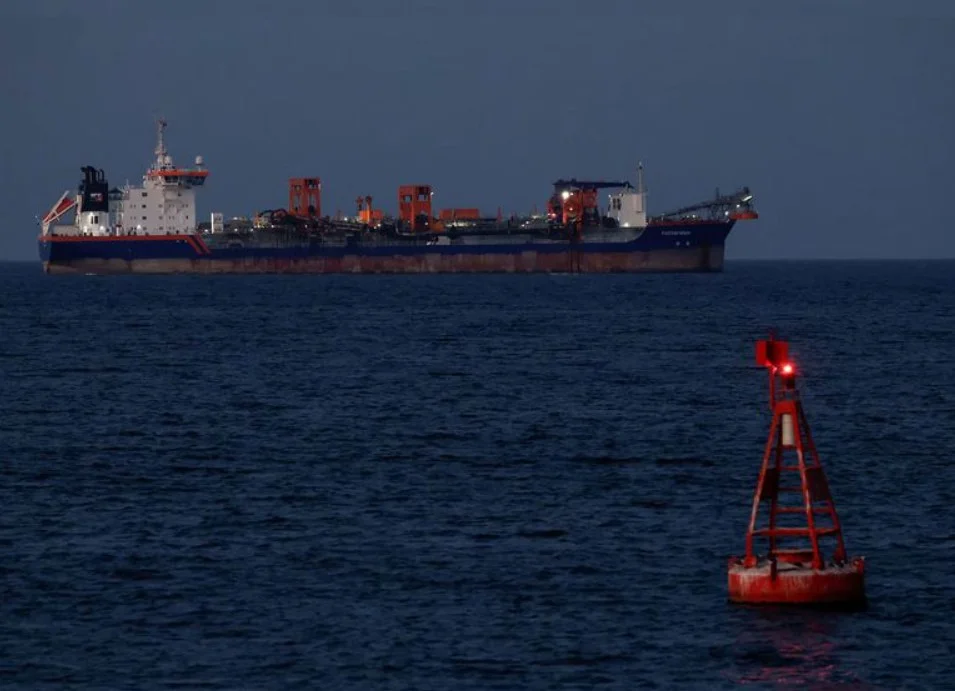


NEW DELHI, APRIL 18 — Tensions in the Middle East took a sharp turn on Saturday as the Iranian Navy reportedly opened fire on two Indian tankers, the Jag Arnav and Sanmar Herald, as they attempted to transit the Strait of Hormuz. The incident prompted an immediate reaction from New Delhi, with the Ministry of External Affairs summoning the Iranian envoy to express “serious concern and displeasure” over the safety of commercial traffic.
The vessels were reportedly forced to turn back shortly after attempting a transit that was believed to be safe following Friday’s temporary reopening of the strait. However, officials stated that the Iranian Revolutionary Guard Corps (IRGC) appears to have reimposed a blockade despite earlier diplomatic assurances. The Jag Arnav, a very large crude carrier loaded with two million barrels of oil, was the primary target of the gunfire, leading multiple other merchant ships to idle or reverse course.
The development has sparked a strong protest from India’s foreign ministry, which emphasized that the Strait of Hormuz must remain an open corridor for global trade. Officials affirmed that India remains committed to free navigation and views any threat to its energy security with “utmost gravity.” The Indian Navy, which has deployed destroyers and frigates to the Gulf of Oman, is monitoring the situation closely as shipowners express growing caution over the lack of clarity from Tehran.
This confrontation follows weeks of heightened regional conflict, during which Iran had previously listed India as a “friendly nation” allowed to pass through the waterway. The sudden shift in posture has raised questions regarding the stability of the current ceasefire agreement. Government representatives declared that they would press Tehran for a formal explanation and assurances that such hostile acts against civilian energy carriers would not be repeated.