

CHANDIGARH, JUNE 3 — A total of 59 students from Punjab government schools successfully qualified the JEE Advanced 2026 examination, marking a 34 percent increase from the previous year.
The growth from 44 qualifiers in 2025 reflects the initial outcomes of the state government’s education initiatives. Patiala district led the state with 11 successful candidates, followed closely by Sangrur with seven students, and Ludhiana, Ferozepur, and SAS Nagar with six selections each.
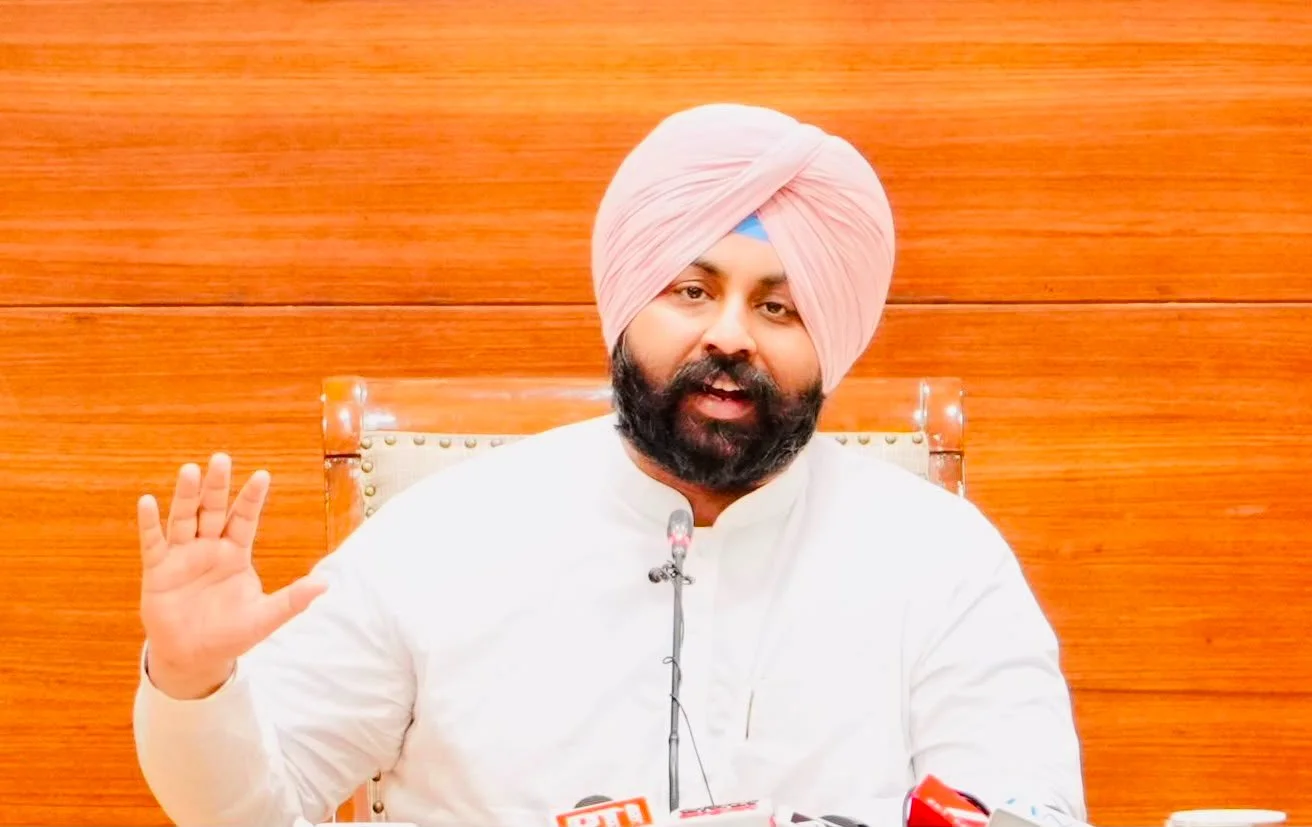
Punjab Education Minister Harjot Singh Bains commended the successful candidates, their families, and their educators for their commitment. He stated that the performance proves elite private coaching hubs are no longer the sole pathway to premier engineering institutions.
“This isn’t a one-time fluke,” Bains affirmed. “We went from 44 to 59 in a year. A village kid with grit can now beat the odds and crack India’s toughest exam, no lakhs of rupees spent on coaching bills. That’s what Punjab Sikhya Kranti looks like on the ground. Our students are cracking JEE Advanced from government school benches, not AC coaching centres.”
The state administration provides specialized academic support, regular mock examinations, and targeted mentorship to competitive exam aspirants within the government school ecosystem. This framework helped students overcome significant financial boundaries.
Among the successful candidates is Harsh Madhav from the School of Eminence Amloh in Fatehgarh Sahib. His father earns a monthly salary of 18,000 rupees at a private firm, making expensive private coaching inaccessible for the family.
“The free coaching, mock tests and mentorship provided by the Punjab Government helped me prepare for JEE Advanced,” Madhav said, noting his goal to secure a seat at IIT Bombay.
The systemic reforms also benefited Priya Bhardwaj from the School of Eminence Bhagpur Sataur in Hoshiarpur. Bhardwaj, who lost her father, was raised by a single mother earning an annual income of 1.44 lakh rupees. Similarly, Prabhjot Singh from the School of Eminence Mullanpur in SAS Nagar, whose father works as a daily wage laborer, qualified the exam through the academic guidance provided at his institution.
Bains noted that previous critics had questioned the sustainability of the state’s specialized coaching initiatives.
“The steady year-on-year rise in JEE and NEET qualifiers proves otherwise,” Bains declared. “Numbers don’t lie. Our government school students are now competing with the best in the country on equal footing.”
Additional successful candidacies included five students from Fatehgarh Sahib, four each from Amritsar and Jalandhar, three each from Bathinda and Gurdaspur, two from Fazilka, and one student each from Rupnagar and Hoshiarpur.