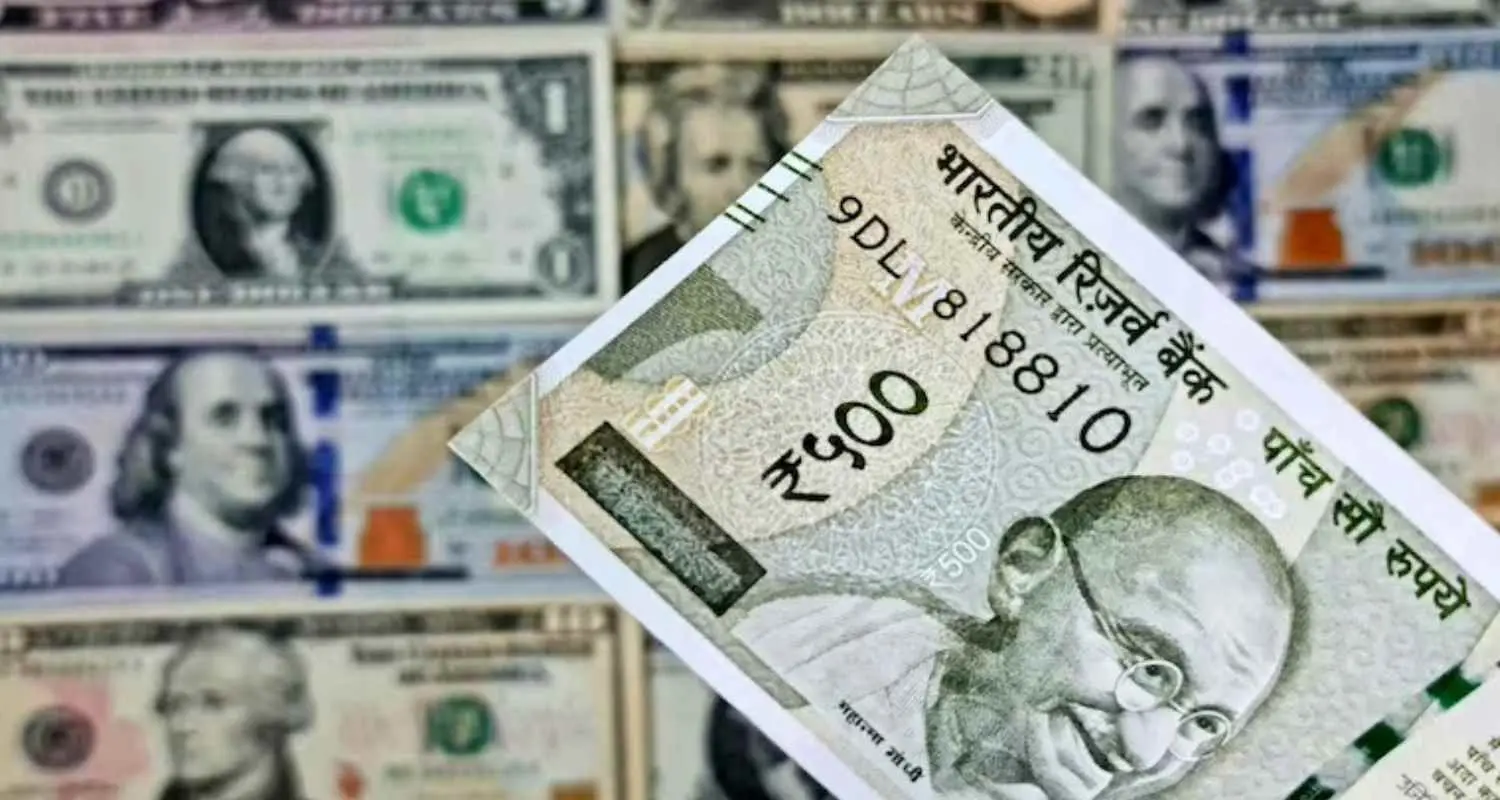


New Delhi, July 2: A sharp contraction in global oil prices and successful de-escalation talks in the Middle East lifted the Indian rupee on Thursday, allowing it to recapture lost ground against the US dollar. The domestic currency opened significantly stronger, trading at 94.93 to the greenback to erase a substantial portion of the losses accumulated during the previous trading session. The shift brings relief to importers after global energy anxieties had briefly pushed the exchange rate past historic depths.
The currency market had experienced an intense sell-off on Wednesday when the rupee closed at a multi-week low of 95.25. Despite steady foreign institutional investments flowing into Indian equities, global macro pressures had temporarily broken through domestic defenses, highlighting the currency’s sensitivity to external trade shocks.
“The discussions focused on de-escalation and safe passage of ships and vessels in the Strait of Hormuz, a key energy shipping route,” a regional diplomatic correspondent stated. Financial analysts declared that the formal announcement of the peace deal has effectively removed the risk premium from energy markets, dragging crude prices down by nearly 40 percent.
International benchmark Brent crude stabilized at approximately 70 dollars per barrel following the conclusion of diplomatic sessions facilitated by Pakistan and Qatar. The resulting drop in energy costs directly benefits India’s import-dependent economy, reducing the corporate demand for US dollars.
Market observers maintained that while the immediate threat of a further breakdown toward the 96-per-dollar mark has subsided, global fiscal indicators still require close monitoring. Senior treasury managers affirmed that the domestic unit’s long-term stability remains contingent on the trajectory of US treasury yields. They asserted that local trading desks are maintaining a watchful posture as international equity and bond markets adjust to the new geopolitical baseline.