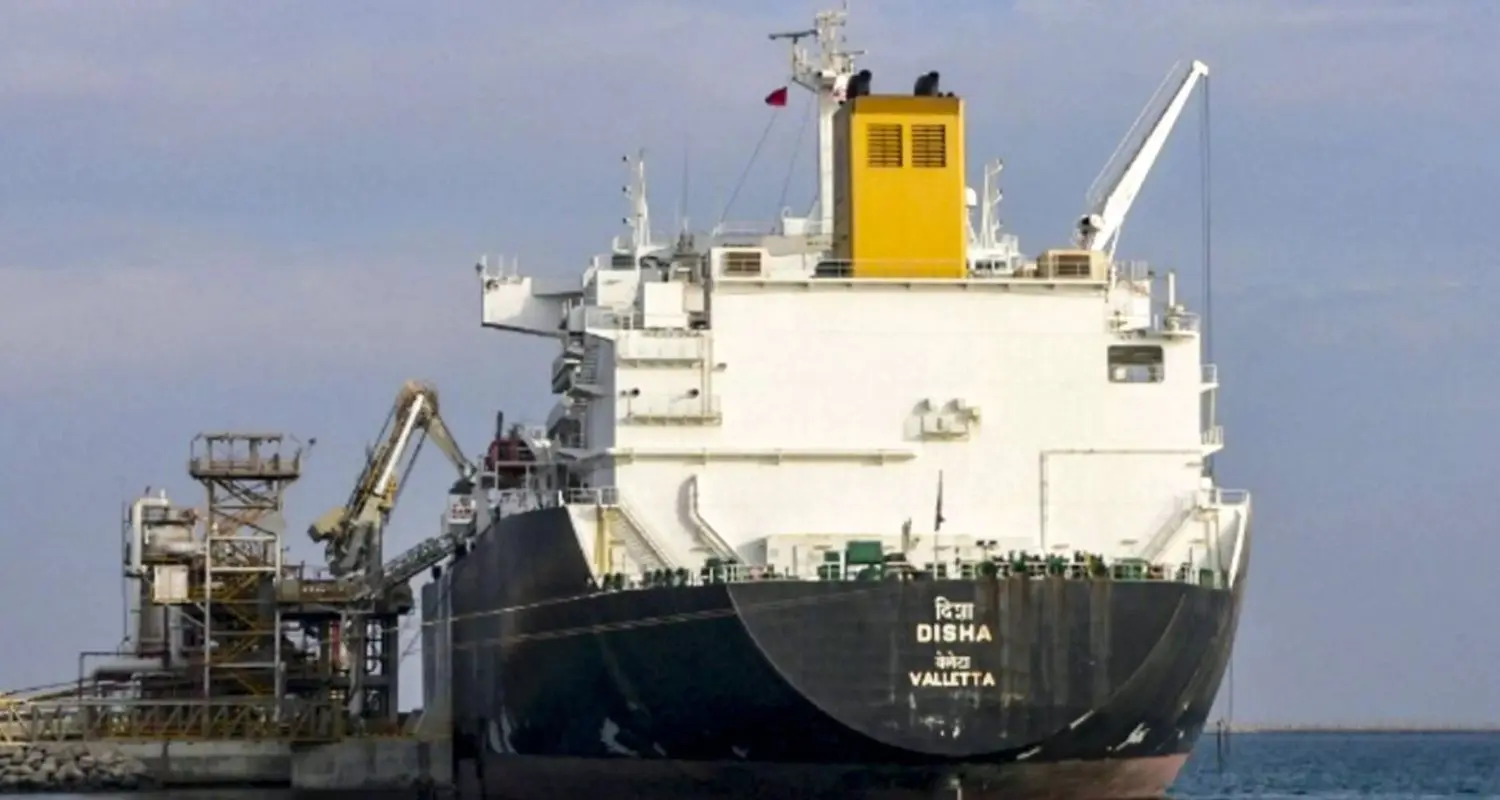


New Delhi, July 5: The Union Government has repealed the majority of its emergency provisions governing natural gas distribution after the resumption of regular liquefied natural gas shipments through the Strait of Hormuz. In an official notification issued on Saturday, the Ministry of Petroleum and Natural Gas formally amended the Natural Gas (Supply Regulation) Order, 2026. This legislative change rolls back special powers that had allowed state authorities to actively redirect and allocate all domestically produced gas and imported fuel to a centralized priority list of essential consumers.
The extraordinary interventions were originally implemented on March 9 under the Essential Commodities Act following severe disruptions to maritime transport in West Asia, which prompted global energy suppliers to declare force majeure and divert fuel cargoes. According to ministerial officials, regional supply lines have steadily stabilized following a formal ceasefire and ongoing diplomatic negotiations, allowing commercial traffic to safely navigate the strategic waterway once again. The withdrawal marks the conclusion of the final emergency energy protocol enacted after cross-border strikes in late February threatened regional shipping security.
“The ongoing conflict in the Middle East that had resulted in the disruption of liquefied natural gas shipments through the Strait of Hormuz has been subject to a ceasefire,” the Ministry of Petroleum and Natural Gas declared in its official notice. Administrative representatives affirmed that maritime access has eased sufficiently to make domestic market interventions unnecessary. “Negotiations are ongoing, as part of which, sea traffic through the Strait of Hormuz has been permitted to be resumed.”
India relies heavily on stable international logistics, importing nearly 88 per cent of its crude oil and half of its total natural gas demand, with roughly 65 per cent of its liquefied natural gas shipments originating directly from West Asia. While the nation successfully diversified its oil procurement during the crisis by tapping alternative global producers, natural gas remained uniquely exposed because a vast majority of imports from Qatar must transit directly through the affected strait.
Under the temporary emergency framework, the government had mandated that household piped natural gas and public compressed natural gas networks receive 100 per cent of their average consumption to prevent civilian disruptions. Conversely, supplies to industrial petrochemical facilities and power generation units were heavily reduced, and state-run GAIL was tasked with pooling available volumes and managing a uniform price structure. Officials maintained that all commercial gas sale agreements and pre-existing corporate contracts will now return to their standard legal precedence.