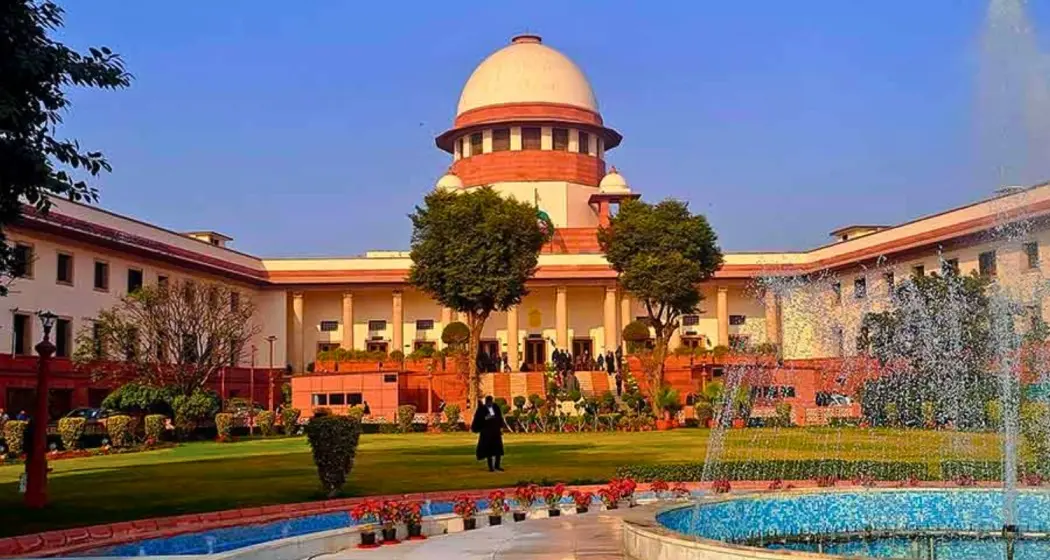


NEW DELHI, AUGUST 3: The Supreme Court on Monday clarified that its prior interim protection regarding student protest cases restricts the term “criminal antecedents” strictly to individuals accused of grave and heinous crimes. Addressing concerns that earlier directives were being broadly applied to detain demonstrators, a bench led by Chief Justice of India Surya Kant affirmed that state governments, including the NCT of Delhi, remain fully empowered to close or withdraw protest-related cases in accordance with statutory provisions.
The clarification came during the hearing of petitions alleging police excesses and demanding systemic accountability for the force deployed against student demonstrators in recent weeks.
Counsel representing the petitioners maintained that law enforcement agencies had turned the previous phrase into a catch-all mechanism to deny relief to peaceful demonstrators. Senior advocates argued that minor infractions or past participation in civil protests were being used as grounds to continue arrests and maintain pending cases.
Responding to the court’s observations, Solicitor General Tushar Mehta stated that peaceful student demonstrators would not be equated with hardened criminal offenders. He assured the bench that law enforcement would refrain from taking coercive measures against individuals lacking serious criminal backgrounds.
The apex court also indicated that it is evaluating the creation of an independent, judge-led mechanism to examine allegations of excessive force alongside actions during the demonstrations. Chief Justice Surya Kant noted that while the proposed oversight body may not carry the formal nomenclature of a Special Investigation Team, it will examine conduct on both sides. The court directed the Centre to submit detailed affidavits regarding FIRs, police conduct, and guidelines on crowd-control measures, setting the next hearing for August 18.