

SRINAGAR, MAY 26 — Following recent political developments concerning the Union Territory of Ladakh, civil society representatives and socio-political leaders convened in Srinagar to discuss constitutional protections for Jammu and Kashmir.
The forum, organized under the banner of Jammu Kashmir WAVE, (A newly formed civil platform comprising prominent trade leaders, social advocates, and intellectuals) reviewed the preliminary understanding reached between New Delhi and Ladakhi leadership regarding Article 371-style safeguards. Participants noted that this dialogue focuses a constructive approach to addressing the localized economic and cultural sensitivities of border regions.
“The evolving framework of safeguards for Ladakh should also lead to the initiation of a serious, sincere and time-bound dialogue between the Central Government and the common people of Jammu and Kashmir,” the forum stated in its collective resolution.
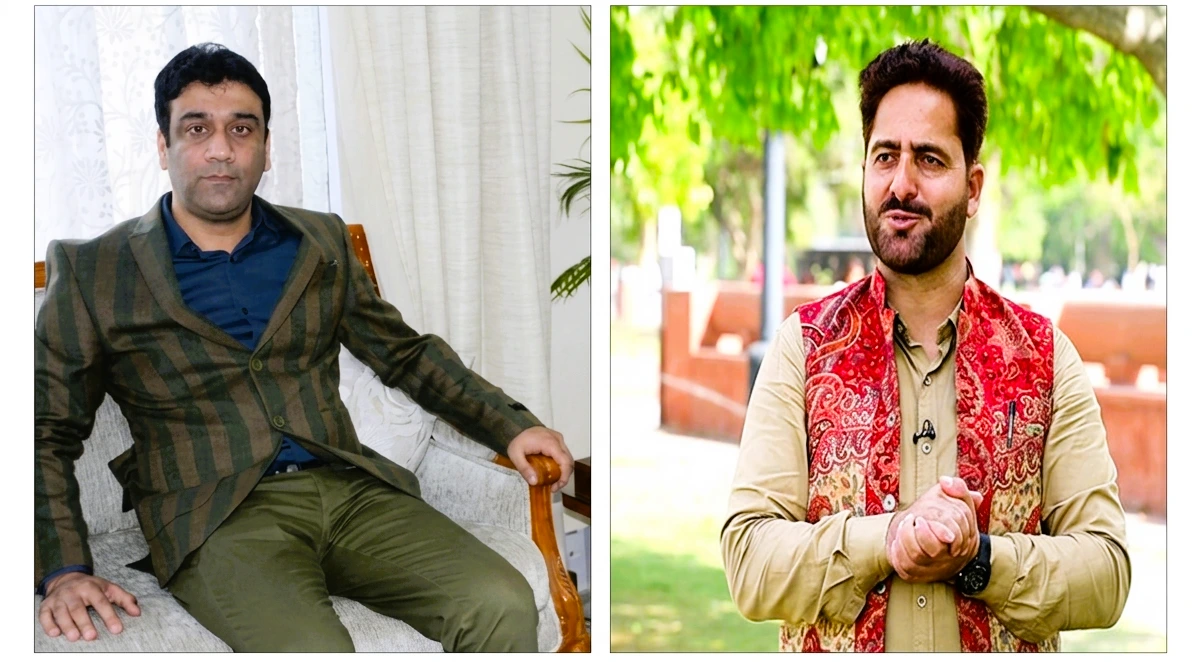
The participants asserted that structural provisions similar to those granted to other hill states are necessary to safeguard local employment, land rights, and resources. The assembly included prominent regional figures, including former legislator Shoaib Nabi Lone, geopolitical analyst Karttik Chopra, and human rights advocate Javed Beigh.
Beyond long-term governance frameworks, the forum urged the administration to consider several immediate welfare interventions. Representatives called for the introduction of a comprehensive crop insurance policy to protect farmers from weather-related losses, alongside a restructuring program for outstanding Kisan Credit Card loans.
“Sustainable peace, stability, development and public confidence in Jammu and Kashmir can only be strengthened through inclusive public participation, institutional safeguards, equitable governance and continued engagement,” the organization declared.
The panel also requested a compassionate administrative review regarding the regularization of long-serving casual laborers and temporary staff. Additionally, attendees suggested a humanitarian evaluation of local detainees facing minor charges to support social reconciliation and strengthen public trust across the region.
Representatives stated that traditional regional political outfits have consistently failed to deliver tangible benefits to local communities. The forum maintained that mainstream political organizations have historically used unrealistic promises to divert public attention away from actionable development and core economic realities within the Union Territory.