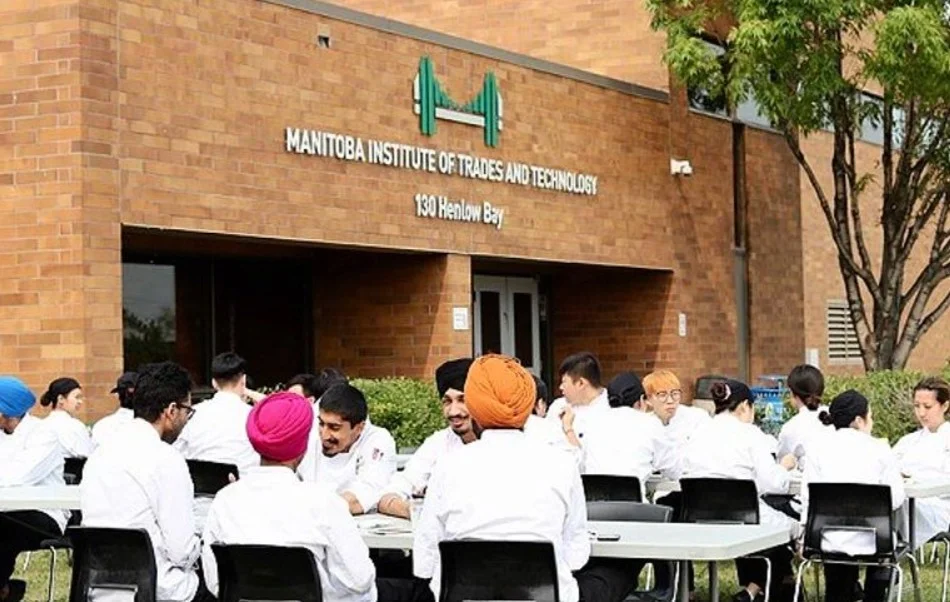


WINNIPEG: As the academic calendar turns to September, campuses across Canada present an unusually subdued look, marking a stark contrast to previous years when thousands of new faces filled lecture halls and corridors. Among those missing in large numbers are youth from Punjab, who historically formed a major segment of the international cohort entering Canadian higher education. The federal government’s restrictive cap on international study permits has visibly impacted classroom strength and altered institutional finances.
According to figures from Immigration, Refugees and Citizenship Canada, 22,405 new international students arrived in the country during the first six months of 2026. The department maintains a target of 155,005 new arrivals for the entire year, representing a significant drop from 2024, when 292,885 new foreign students entered Canada, and 2025, which saw 115,005 admissions. Authorities affirm that the policy remains necessary to ease mounting pressure on local housing markets, healthcare infrastructure, and municipal services. However, the reduction in international tuition revenue has created an acute operational challenge for institutions that relied heavily on foreign enrollment.