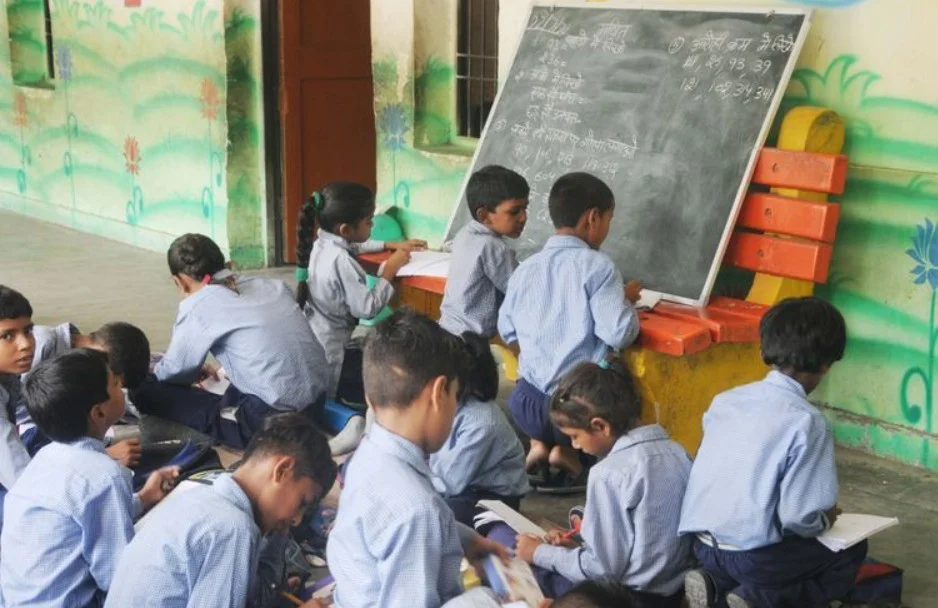


Chandigarh, June 29: The state administration has initiated comprehensive measures to upgrade staffing levels across government schools following a central assessment of the academic workforce. Official data compiled during a recent Samagra Shiksha review indicates that more than one in four teaching positions for Classes XI and XII are currently awaiting recruitment. Out of 21,311 sanctioned posts at the senior secondary level, 5,573 seats remain open, representing a 26.2 per cent vacancy factor.
Administrative responses are moving quickly to address these personnel requirements systematically. Haryana Principal Secretary Vijay Singh Dahiya declared that the state is actively managing the hiring processes to ensure balanced staffing. He affirmed that the recruitment framework is functioning under high priority and the current gaps will be resolved through official channels shortly.
“The recruitment is under process and vacancies will be filled soon,” Dahiya asserted, noting that the state is concurrently strengthening cluster schools and introducing free transport to support student enrollment.
The review, detailed in official minutes circulated late last month, noted varying personnel requirements across different educational tiers. The elementary segment shows a 14 per cent vacancy rate with 8,449 open posts out of 60,396 sanctioned seats, while secondary schools for Classes IX and X require 2,413 educators against 19,792 authorized positions. Additionally, the records show that 968 primary institutions are currently functioning with a single teacher, prompting central advisories to align staffing with standard Right to Education parameters.
The state is also refining its teacher-training infrastructure and residential school capacities. Academic positions at District Institutes of Education and Training show a 62 per cent vacancy trend, though the State Council of Educational Research and Training improved its staffing layout, bringing vacancies down to 33 per cent. To boost training quality, central officials suggested utilizing qualified teacher educators or specialized deputations. Plans are also being structured to improve seat occupancy in residential setups like the Kasturba Gandhi Balika Vidyalayas and to enhance inclusive infrastructure, which currently includes ramp access in 75 per cent of schools.
Regarding financial management, the state is actively streamlining its development pipeline to optimize resource utilization. Authorities are reviewing historical infrastructure outlays to accelerate pending civil works and maximize existing budgets. Project guidelines indicate that older, uninitiated projects are being evaluated for restructuring so that upcoming annual work plans focus effectively on active, non-recurring educational enhancements.