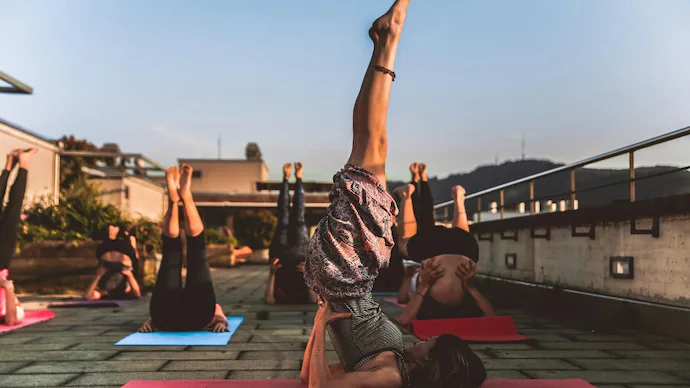


Chandigarh, June 20, 2026: In today’s fast-paced and stressful world, yoga has emerged as a powerful tool for maintaining both physical and mental well-being. Every year, International Yoga Day is celebrated with great enthusiasm across the globe on June 21, highlighting the importance of this ancient Indian practice.
Yoga is one of India’s oldest and most valuable traditions. It is much more than a form of physical exercise; it is a holistic science that harmonizes the mind, body, and soul. Over the years, yoga has transcended geographical boundaries and gained worldwide recognition. The word ‘Yoga’ is derived from the Sanskrit word ‘Yuj’, which means to join or to unite, symbolizing the union of the individual with universal consciousness as well as the integration of physical and mental well-being.
The proposal to observe International Yoga Day was first put forward by Indian Prime Minister Narendra Modi during his address to the United Nations General Assembly (UNGA) on September 27, 2014. The proposal received unprecedented support from 177 countries, making it one of the most widely supported resolutions in UN history. Consequently, on December 11, 2014, the United Nations officially declared June 21 as International Yoga Day, with the first celebration taking place on June 21, 2015.
Why is International Yoga Day Celebrated on June 21?
June 21 marks the Summer Solstice, the longest day of the year in the Northern Hemisphere. This day holds great spiritual significance in Indian tradition and is considered especially suitable for practicing yoga and meditation. Therefore, June 21 was chosen as the official date for celebrating International Yoga Day.
Benefits of Yoga
Physical Flexibility and Strength:
Regular practice of various asanas (postures) strengthens muscles, improves flexibility, enhances spinal health, and reduces stiffness throughout the body.
Mental Peace and Stress Relief:
Pranayama (breathing exercises) and meditation help reduce stress, anxiety, and depression while promoting emotional balance and mental clarity.
Disease Prevention:
Consistent yoga practice can help manage lifestyle-related conditions such as high blood pressure, diabetes, obesity, and heart disease by improving overall health and fitness.
Improved Concentration:
Yoga is highly beneficial for students, professionals, and athletes. It enhances brain function, sharpens concentration, and improves focus. For students, especially those with restless minds, regular yoga practice can significantly improve academic performance. Athletes also benefit from increased flexibility, balance, and concentration through yoga.
Key Components of Yoga
Yoga extends far beyond physical postures. Its foundation lies in the principles of Ashtanga Yoga, which comprises eight essential limbs:
- Yama (Ethical Restraints): Non-violence, truthfulness, non-stealing, and ethical conduct.
- Niyama (Personal Observances): Cleanliness, contentment, self-discipline, self-study, and devotion.
- Asana: Physical postures that promote strength, flexibility, and overall health.
- Pranayama: Breathing techniques that calm the mind and improve respiratory health.
- Pratyahara: Withdrawal and control of the senses.
- Dharana: Concentration and focused attention.
- Dhyana: Meditation and sustained awareness.
- Samadhi: The ultimate state of spiritual enlightenment and self-realization.
Read More: What Yoga Says About the Human Body
Beneficial Asanas and Their Advantages
Some commonly practiced yoga postures and their benefits include:
- Vajrasana: Can be practiced even after meals and aids digestion.
- Bhujangasana: Strengthens the spine, improves posture, and helps relieve back pain.
- Shavasana: Deeply relaxes the body and mind, reduces stress, and is beneficial for people suffering from insomnia.
Conclusion
International Yoga Day serves as a reminder that good health is our greatest wealth. In today’s demanding lifestyle, where people often struggle to find time for themselves, dedicating just 20–30 minutes each day to yoga can significantly improve physical fitness, mental peace, and overall quality of life.
Let us pledge on this International Yoga Day to embrace yoga not merely as an annual celebration, but as an integral part of our daily lives for a healthier, happier, and more balanced future.
— Dr. Varinder Kumar
Sunam Udham Singh Wala