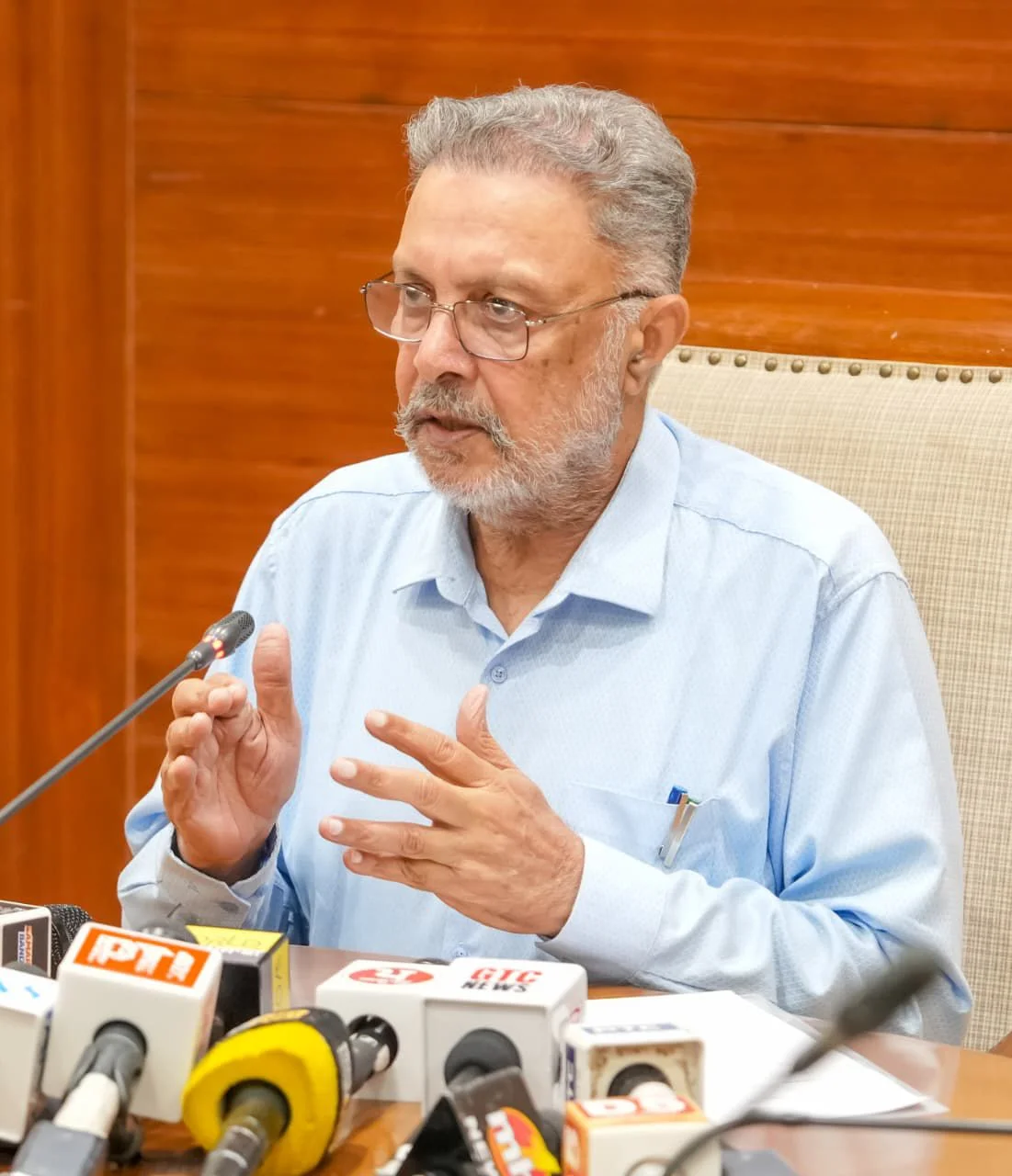


CHANDIGARH, May 18, 2026 – The Punjab government has deployed a multi-layered healthcare strategy incorporating community fitness, localized screening, and cashless hospitalization to counter the rising threat of hypertension across the state.
Through a network comprising the CM di Yogshala, 990 Aam Aadmi Clinics, and the Mukh Mantri Sehat Yojana, the state administration is addressing the lifestyle disease from prevention to critical care. World Health Organization data indicates India faces a rapidly growing hypertension crisis driven by stress, poor diets, tobacco use, and sedentary routines.
Medical authorities frequently call hypertension a silent killer because it presents few early symptoms before causing strokes, heart failure, or kidney failure. Health Minister Dr. Balbir Singh declared that systematic interventions are now operational across both rural and urban areas to catch the illness early.
“Regular screening is being conducted at all health facilities, including 990 Aam Aadmi Clinics, where people aged 30 years and above are being screened for hypertension and linked to timely treatment,” Dr. Balbir Singh stated.
The health minister affirmed that the state has screened more than 1 crore individuals aged 30 and older, with 24 lakh patients successfully enrolled in treatment programs. He asserted that monthly follow-ups, free medication distribution, and structured referral systems ensure patients receive continuous medical attention.
To address the root lifestyle causes of high blood pressure, the CM di Yogshala program has established over 10,600 accessible yoga classes. The wellness initiative currently engages nearly 3 lakh participants, teaching stress management and active habits to reduce the incidence of chronic conditions.
When prevention and primary care are not enough, the Mukh Mantri Sehat Yojana provides a financial safety net. The program covers hospital admissions for severe complications resulting from uncontrolled blood pressure, including cardiac emergencies, strokes, and renal diseases.
State Health Agency records show that while hypertension affects all demographics, the heaviest burden rests on residents between 40 and 80 years old. Senior citizens are highly represented in the data, with Gurdaspur recording patients up to 94 years old and S.A.S. Nagar treating individuals as old as 98.
Geographically, the widest distribution of cases across both genders occurs in Patiala, S.A.S. Nagar, Hoshiarpur, Jalandhar, and Faridkot. Meanwhile, hospital registries in Amritsar and Ludhiana show a significant concentration of female patients between the ages of 50 and 77.
Cardiologists note that the patient profile is expanding to include younger demographics. Dr. Saurabh Sharma, Associate Professor and Head of the Department of Cardiology at Government Medical College and Rajindra Hospital in Patiala, maintained that the illness is no longer limited to older generations.
“Modern lifestyles bring a different set of health challenges across all age groups. While the majority of hypertension cases are seen among people aged 40 to 90 and above, we are also witnessing cases in teenagers and people in their twenties and thirties,” Dr. Sharma asserted.
Dr. Sharma noted that modern stressors and irregular habits cause severe health complications to manifest much sooner than in previous decades. He declared that schemes like the Mukh Mantri Sehat Yojana are vital because they remove the financial anxieties that frequently cause families to delay emergency medical visits.
Health officials stated that the cashless scheme acts as a critical buffer for middle-class families, pensioners, and government workers. By mitigating the fear of catastrophic medical bills, the policy encourages earlier hospital presentations, which significantly lowers mortality rates during hypertensive emergencies.