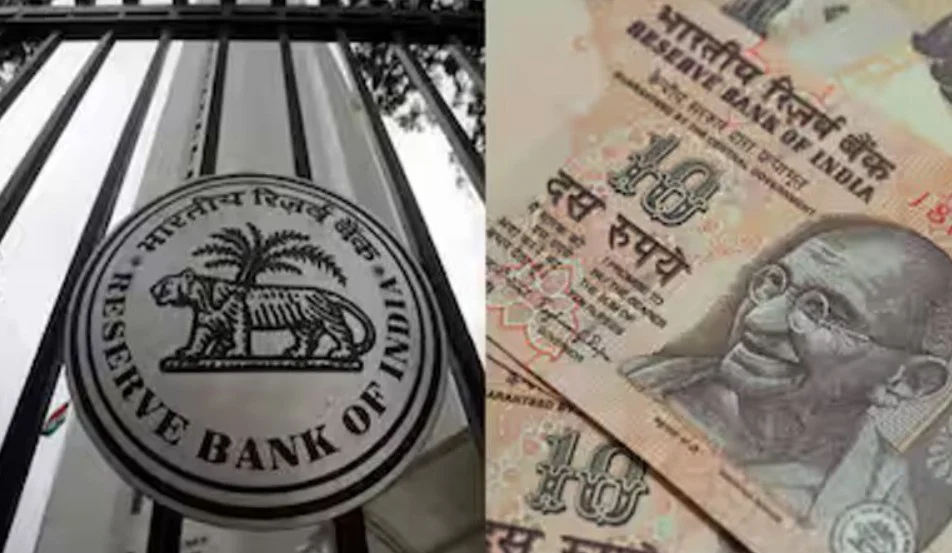


New Delhi, May 29: The Reserve Bank of India is revitalizing plans to introduce polymer banknotes across the country to tackle the escalating demand for cash. Sources maintained that the proposal to issue plastic currency underwent serious deliberation during recent central bank board meetings held in Patna and Mumbai.
The shift toward polymer alternatives stems from their superior durability and extended lifespan when compared to traditional cotton-based paper currency. Financial experts asserted that the long-term printing expenses for plastic notes remain significantly lower than traditional paper options. The central bank is expected to announce a pilot project shortly to test the initiative, ensuring the new variants can be seamlessly withdrawn through existing ATM networks.
This move comes at a time when the central bank faces rising production expenditures and a mounting surplus of damaged currency. Official data from the recent annual report revealed that national note-printing costs escalated from Rs 5,101.4 crore to Rs 6,372.8 crore, driven primarily by the market demand for fresh currency.
Furthermore, the disposal of soiled currency continues to pose an operational challenge for banking authorities. Approximately 23.8 billion soiled notes were pulled from circulation during the previous financial year, marking a 12.3 percent increase over the 21.24 billion notes handled during the preceding period. The Rs 500 denomination emerged as the most frequently soiled currency in circulation, followed closely by the Rs 100 note.
Polymer banknotes utilize specialized Bi-Axially Oriented Polypropylene films during production, incorporating advanced security features and anti-counterfeiting elements that make replication nearly impossible. These versions remain highly resistant to water, folding, and bacterial wear. Australia originally pioneered the transition to polymer currency in 1988 before completely phasing out paper alternatives by 1996, while Canada successfully adopted plastic notes in 2011 to capitalize on their environmental benefits.