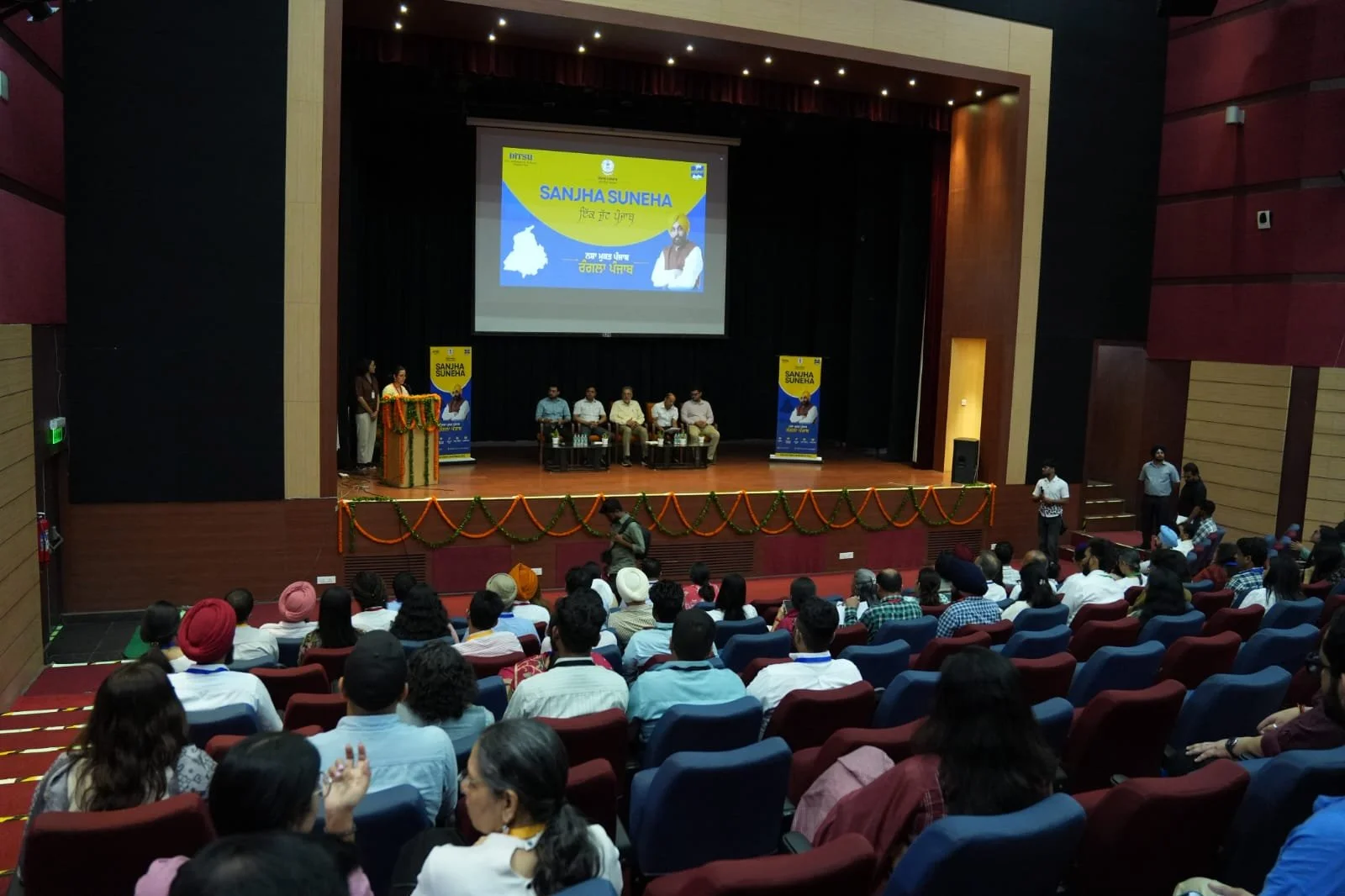



Chandigarh, July 4: A wide-reaching coalition of social influencers, grassroots organizations, and administrative bodies has united under a single banner to reinforce the ongoing Yudh Nashean Virudh anti-drug campaign across Punjab. Organized by the Data Intelligence and Technical Support Unit on the eve of the International Day Against Drug Abuse and Illicit Trafficking, the Sanjha Suneha – Ik Jutt Punjab conclave brought together more than 80 delegates from 40 distinct groups in Chandigarh to establish a permanent partnership against substance abuse. The collaborative effort focuses heavily on expanding youth engagement through sports, improving de-addiction services, and strengthening mental health support within educational institutions.
The administration has adopted a multi-layered strategy that integrates strict enforcement with comprehensive rehabilitation and preventative education. During the sessions, digital media creators and representatives from national and local foundations mapped out actionable steps to enhance referral systems and boost outreach to vulnerable populations. Participants focused their discussions on early prevention in schools, child protection, and leveraging modern communication tools to alter public perception around recovery.
Punjab Health and Family Welfare Minister Dr Balbir Singh affirmed that the success of the state’s intervention relies entirely on public ownership and widespread collective action.
“Ik Jutt Punjab is Rangla Punjab,” Dr Balbir Singh asserted while addressing the assembly. “For the campaign against drugs to be truly successful, it must become a people’s movement. From NGOs, educational institutions, and community leaders to the silent victims of the menace of drugs, this needs the involvement of every section of society.” He declared that the newly formed platform would serve as a shared space where grassroots experiences and innovative ideas translate into reality, noting that special campaigns are already rolling out in schools to guide parents and teachers.
Grassroots workers at the event stated that understanding the psychological triggers of addiction remains vital for long-term recovery and prevention.
“Drug abuse is basically a coping mechanism against the challenges of life,” maintained Dr Neelam Sodhi, head of the Ludhiana-based Zila Foundation. “Zila Foundation connects to it by helping parents understand their children, and the children to understand themselves in totality and comprehensively, which is directly connected to drug abuse and also to ensure that when there are challenges, you don’t find substance abuse as a coping mechanism.”
Other delegates pointed out that managing the post-recovery phase is just as critical as initial treatment to ensure individuals do not slip back into old habits.
“The biggest challenge about de-addiction is to make people aware of the negative consequences of drug abuse,” stated Manish Kumar, Team Leader of SPYM. “Our focus mainly is on providing information to the government on where the demand for services and post-recovery follow-up so that there are fewer and fewer cases of relapse.”