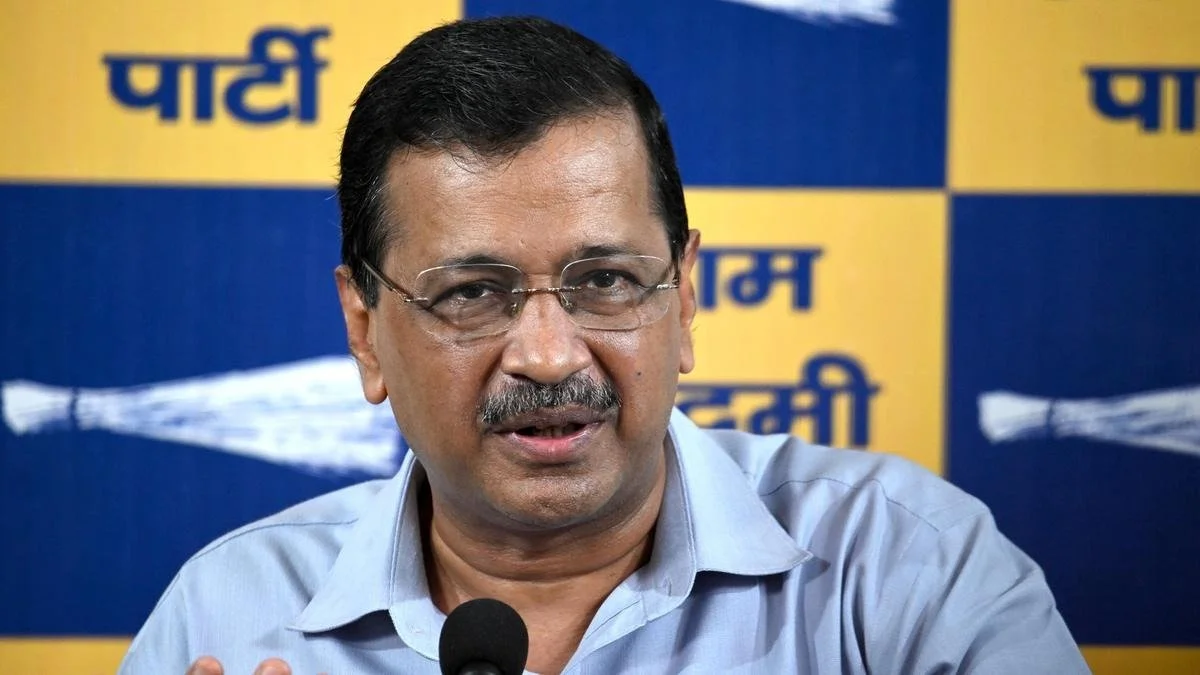


Goa, July 5: The healthcare infrastructure in Goa requires immediate restructuring through the adoption of a universal health insurance policy, Aam Aadmi Party National Convenor Arvind Kejriwal stated on Saturday. Addressing the media alongside senior leader Atishi, the opposition leader proposed that the coastal state replicate the fiscal framework implemented in Punjab, which provides an annual health insurance coverage of ₹10 lakh per household. The current administrative apparatus in Goa relies on the Deen Dayal Swasthya Seva Yojana, a program that has seen active enrollment drop from 2.95 lakh families down to 1.81 lakh families over recent years.
The proposed policy shift addresses structural bottlenecks within the regional medical sector, where a single government super-speciality facility faces severe overcrowding. Statistical overviews presented during the briefing indicate that nearly 90 per cent of Goans depend entirely on public facilities due to the prohibitive pricing of private clinics. In addition to space constraints, secondary state hospitals suffer from acute vacancies and mechanical failures, limiting their operational capacity to basic patient referrals.
“Goa’s public healthcare system has completely collapsed,” Kejriwal declared while assessing local district medical centers. He asserted that long transit times to the apex hospital create life-threatening delays for patients residing in outlying areas. “If someone suffers from a serious illness, nearly 90 per cent of the population depends on government healthcare. Private healthcare is so expensive that around 90 per cent of people cannot afford treatment in private hospitals for serious illnesses.”
The functional decline of the existing state insurance model stems from low fiscal ceilings, limited procedural inclusions, and delayed corporate clearances. The local program covers 447 diseases and operates on reimbursement guidelines unchanged since 2016, whereas the northern state model encompasses 2,350 distinct medical procedures with a mandatory 15-day clearance window for empanelled institutions.
“While Goa’s scheme covers 447 diseases, Punjab’s covers 2,350 diseases and medical procedures, six times more than Goa,” Kejriwal maintained during his comparative review. He affirmed that the absence of strict income benchmarks allows the northern framework to function universally. “The ideal solution is to make the government healthcare system effective, efficient and functional. But that will take time, and until then people cannot be left to die.”
The administrative appeal calls on the local chief minister to integrate private healthcare networks into the public security web, granting ordinary citizens access to established multi-specialty centers. Party representatives declared that depoliticizing medical welfare remains essential to ensure equal treatment standards for all economic strata across the territory.