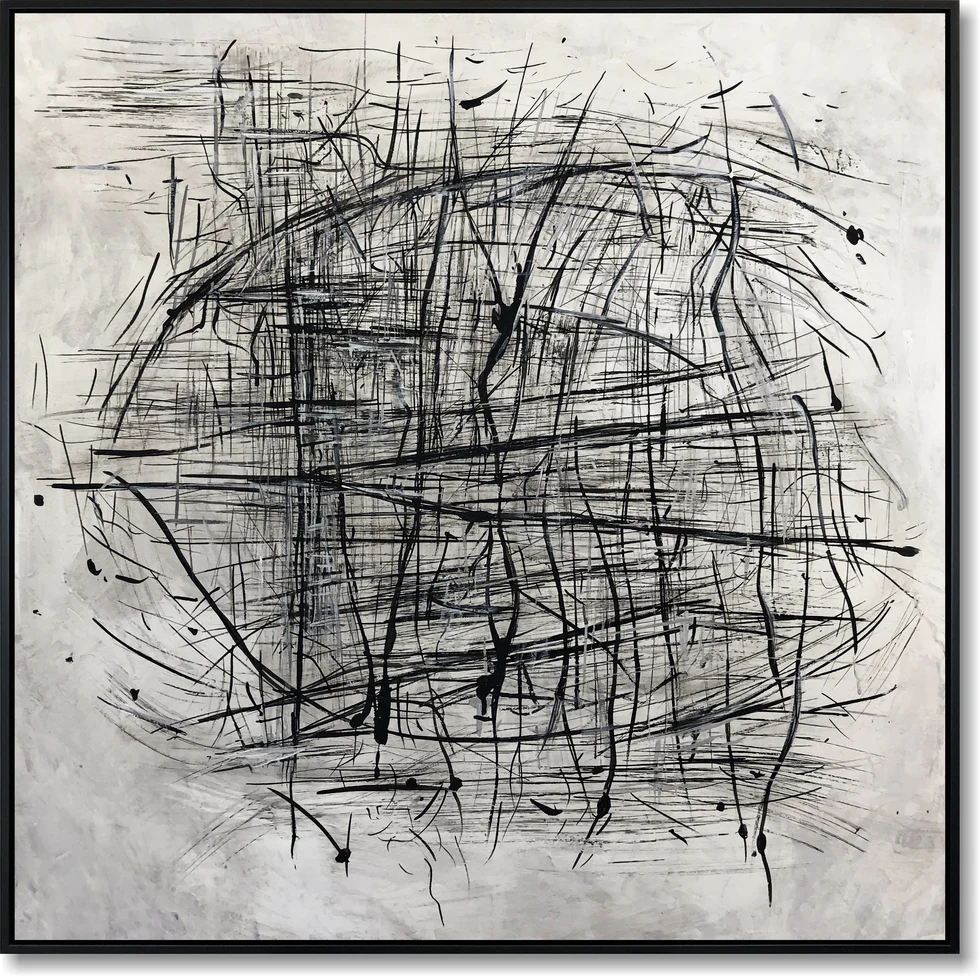


Walking into a quiet art gallery can instantly change the way you feel. The hushed rooms and massive canvases seem to invite a deep breath that everyday life rarely allows. While philosophers and poets have long maintained that engaging with visual art feeds the human soul, modern science is now proving that the impact is real, measurable, and biological.
Observing art does more than provide a fleeting moment of distraction. It actively rewires our neural pathways, lowers our physical stress responses, and helps heal psychological distress.
The Neurological Spark of Visual Beauty
When we stare at a painting we find beautiful, our brains experience a chemical surge similar to what happens when we fall in love. Professor Semir Zeki, a neurobiologist at University College London, mapped brain activity to understand this specific phenomenon.
By utilizing functional magnetic resonance imaging scans, Zeki measured blood flow to the brain while participants viewed different masterpieces. The results declared that looking at a beautiful painting triggers an immediate release of dopamine into the orbitofrontal cortex, the brain’s primary pleasure and reward center.
The neurological reaction happens almost instantly. It matches the exact same biological spark triggered by romantic affection, showing that visual beauty can directly inject joy into our neural circuits.
Lowering Stress by the Power of Canvas
Beyond the brain’s internal reward systems, art appreciation shows a powerful ability to quiet the body’s physical stress responses. Modern life leaves many of us trapped in chronic states of high alertness, constantly flooded with cortisol.
A study conducted by researchers at the University of Westminster demonstrated how quickly art can reverse this toxic state. Participants visited an art gallery during their lunch breaks, and scientists measured their levels of cortisol—the body’s primary stress hormone—before and after the visit.
The data affirmed that after spending just 35 minutes looking at art, visitors experienced a rapid and significant drop in cortisol levels. The time required to achieve this biological reset was far shorter than what is typically needed under normal relaxation conditions, proving that art functions as an fast-acting emotional stabilizer.
Cultivating New Neural Connections
The emerging field of neuroaesthetics studies how our brains process aesthetic experiences. This science reveals that art forces the mind into a state of active, flexible interpretation that builds mental resilience.
When we study an intricate piece of art, our brains activate “mirror neurons.” If you look at a painting of a person running, or a textured landscape with aggressive brushstrokes, your brain internally mirrors the physical sensations depicted on the canvas.
This process builds deep empathy and strengthens neural pathways, expanding our emotional vocabulary. Professor Susan Magsamen at Johns Hopkins University School of Medicine has written extensively on how these creative encounters help the brain build new synapses, a process known as neuroplasticity, which keeps our minds adaptable and strong against age-related decline.
Finding Order in the Chaos
The human mind naturally craves patterns and meaning. When we look at abstract or deeply layered artwork, our brains engage in a unique form of problem-solving that can be deeply therapeutic.
A study published in Frontiers in Human Neuroscience noted that art allows the brain to enter what psychologists call the Default Mode Network. This is the same mental space activated during daydreaming, meditation, and deep reflection.
By stepping away from analytical, task-oriented thinking and entering this reflective state, we can process buried emotions and complex personal thoughts safely. The canvas provides a visual anchor, allowing our minds to organize chaotic feelings without feeling overwhelmed.
“Art washes away from the soul the dust of everyday life.” — Pablo Picasso
Taking a Prescribed Dose of Culture
The healing benefits of art are so undeniable that healthcare systems are beginning to integrate visual experiences into formal medical treatments.
In Canada, doctors belonging to the Francophone Association of Motivated Physicians can write actual prescriptions for museum visits. These “museum prescriptions” allow patients suffering from physical illnesses, anxiety, and depression to visit cultural institutions for free with their loved ones, recognizing the experience as a vital part of holistic recovery.
We do not need a formal prescription to experience these benefits. Spending a quiet afternoon at a local museum, keeping an art book on a coffee table, or pauses to truly study a painting can serve as a simple, accessible way to heal the mind and restore the soul.