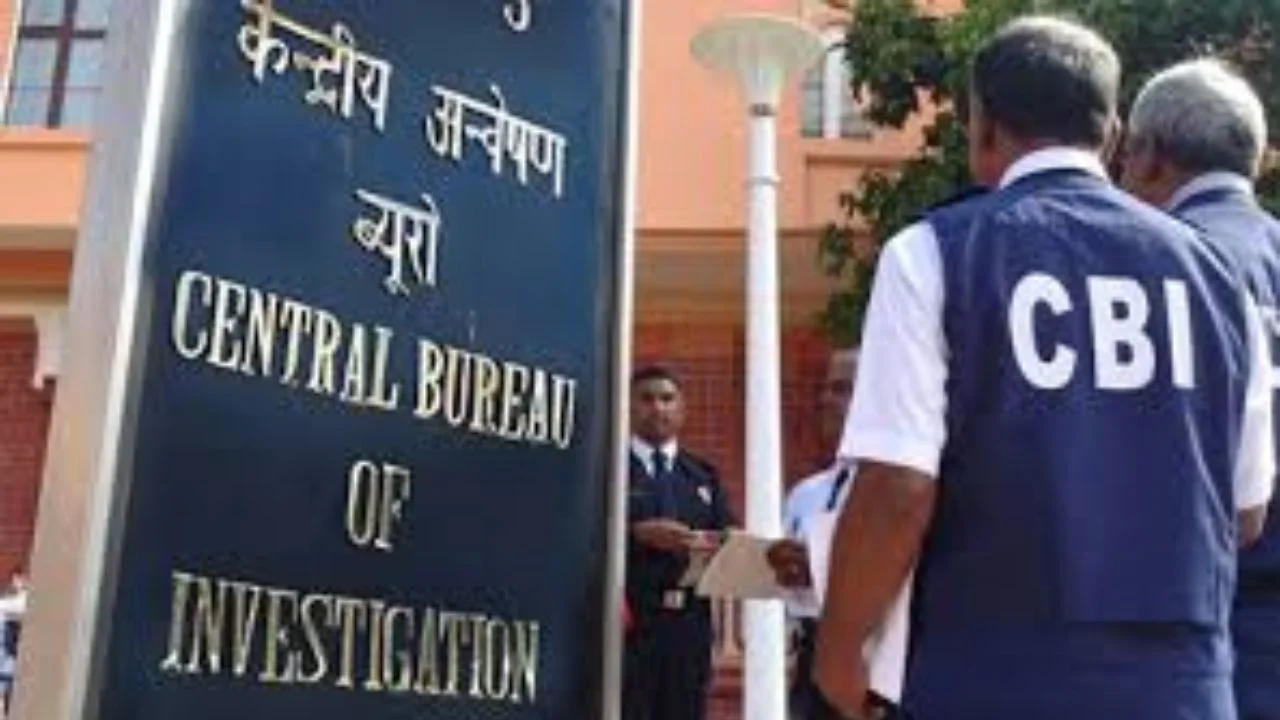


New Delhi, September 5: The Central Bureau of Investigation (CBI) has registered a case against media entrepreneur and Essel Group founder Subhash Chandra and others over alleged financial irregularities involving loan facilities worth nearly ₹1,000 crore sanctioned by LIC Housing Finance Ltd (LICHFL).
The case stems from a complaint filed by LICHFL, which has alleged that inflated net-worth certificates were submitted to facilitate the sanction and disbursal of two loan facilities totalling ₹980 crore. The lender has alleged that the loans subsequently turned into defaults, resulting in a claimed financial loss of more than ₹1,322 crore.
According to the FIR, the allegations involve several companies, including Vasant Sagar Properties Pvt Ltd, Pan India Infraprojects Pvt Ltd, Digital Subscriber Management and Consultancy Services Pvt Ltd, and Spirit Infrapower and Multiventures Pvt Ltd.
Two Loan Facilities Under CBI Scanner
The first loan facility, amounting to ₹500 crore, was sanctioned to Vasant Sagar Properties Pvt Ltd, with Pan India Infraprojects Pvt Ltd named as co-borrower.
The facility was reportedly intended for purposes including takeover of existing liabilities, top-up funding and business expansion. The loan was backed by a continuing guarantee allegedly executed by Subhash Chandra on March 28, 2018.
The second facility, worth ₹480 crore, was sanctioned to Digital Subscriber Management and Consultancy Services Pvt Ltd, with Spirit Infrapower and Multiventures Pvt Ltd as co-borrower.
The ₹480-crore facility was reportedly structured as a rental discounting facility under a rental securitisation scheme and was also supported by a continuing guarantee from Chandra.
Alleged Inflation of Net Worth
A key aspect of the CBI case concerns net-worth certificates allegedly submitted by Chandra in connection with the loan facilities.
According to the FIR, a certificate issued by DIM & Co on March 28, 2018, reportedly placed Chandra’s net worth at around ₹59,000 crore.
Another certificate, issued by chartered accountants MPJ & Co on July 6, 2018, allegedly valued his net worth at approximately ₹40,562 crore. The FIR states that this certificate was among the documents considered during the sanction of the ₹480-crore loan facility.
The lender subsequently raised questions over the authenticity and accuracy of the financial information provided.
The matter reportedly came under greater scrutiny during insolvency proceedings, during which Chandra allegedly disputed the net-worth figures reflected in the certificates submitted to LICHFL.
The FIR also refers to subsequent financial disclosures concerning Chandra’s wealth, including a reported net worth of around ₹31.79 crore in 2024. It further refers to figures relating to his financial position during 2017-18.
CBI Probes Alleged Collusion
The investigating agency has alleged that Chandra, along with officials and directors associated with the borrower companies, acted in alleged collusion to induce LICHFL to sanction and release the loan funds.
The FIR alleges that documents containing misleading or inflated financial information were created or submitted to establish a substantially higher net worth and strengthen the borrowers’ case for obtaining the loan facilities.
The allegations include cheating, criminal breach of trust and alleged misappropriation of funds.
The CBI investigation is expected to examine the circumstances surrounding the preparation and submission of the certificates, the sanction and disbursal of the loans, the movement and utilisation of the funds, and the respective roles of the individuals and companies named in the case.
Action Follows Scrutiny of Chandra’s Financial Affairs
The registration of the FIR comes amid wider scrutiny of Subhash Chandra’s financial affairs, particularly in connection with insolvency proceedings involving personal guarantees given by him.
The National Company Law Tribunal (NCLT) has been examining matters related to repayment and recovery from Chandra in the context of claims raised by lenders.
The proceedings have also brought attention to the substantial difference between the claims admitted against Chandra and the amount proposed for recovery under the repayment plan.
Lenders have raised objections to aspects of the process, including issues concerning Chandra’s disclosed net worth and the treatment of creditors.
NCLT Restricts Alienation of Properties
On September 1, the NCLT also reportedly restrained Chandra from alienating his properties while lenders challenged aspects of the proposed settlement.
The tribunal indicated that the issues surrounding the settlement required further examination as the proceedings continued.
The latest CBI case adds another layer to the scrutiny surrounding the financial affairs of the Essel Group founder and the companies associated with the alleged transactions.
There was no immediate response from Subhash Chandra or the other accused persons named in the FIR to the allegations at the time of reporting.
The registration of an FIR does not establish guilt. The allegations against Chandra and the other accused remain subject to investigation, due process and judicial determination.