

CHANDIGARH, AUGUST 4: Skywatchers and astronomical organizations worldwide are preparing to observe a rare celestial sequence involving a six-planet morning alignment, a total solar eclipse, and the peak of the annual Perseid meteor shower. The events, set to occur in sequence, will offer observers across different geographical regions distinct viewing opportunities depending on local sky conditions and horizon visibility.
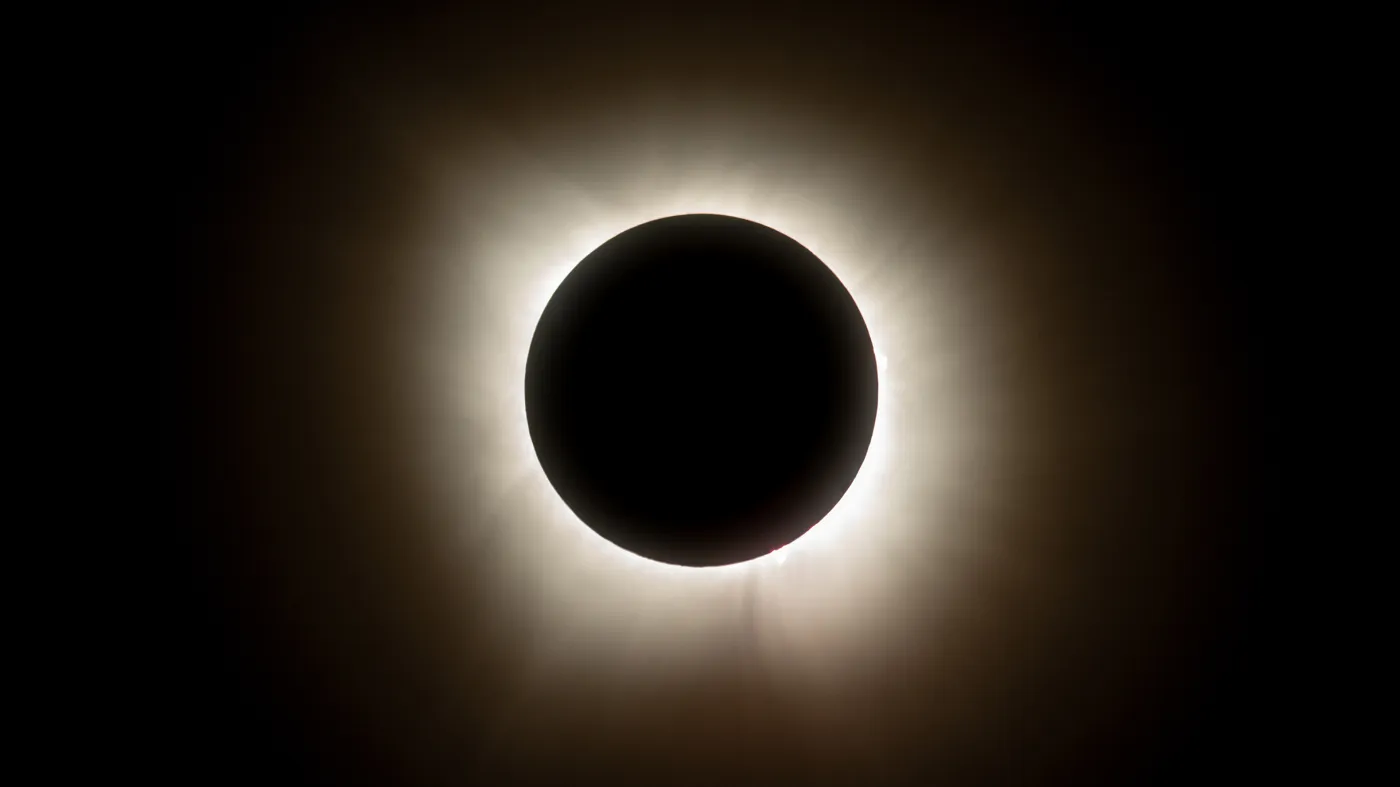
Astronomical centers reported that Mercury, Jupiter, Mars, Uranus, Saturn, and Neptune will position across the eastern sky prior to dawn, creating a multi-planet display visible under clear atmospheric conditions. Following the morning alignment, the moon will move directly between the Earth and the Sun, producing a total solar eclipse along a path traversing northern Russia, Greenland, Iceland, the Atlantic Ocean, and parts of Spain and Portugal.
Describing the scientific significance of the events, observational astronomy representatives declared, “The concurrence of multiple distinct astronomical phenomena within a single daylight cycle presents a remarkable opportunity for both public engagement and scientific study.”
Observational bodies maintained that safety guidelines must be strictly followed during the solar eclipse, advising the public to utilize certified solar viewing filters and proper optical equipment to prevent eye injury. Direct viewing without specialized solar protection remains unsafe during partial eclipse phases.