

Chandigarh/Mumbai, June 25: The Global Sikh Council, representing national-level Sikh institutions worldwide, has urged the Maharashtra government to immediately withdraw its decision to repeal the 70-year-old ‘Nanded Sikh Gurdwara Sachkhand Sri Hazur Abchalnagar Sahib Act-1956’. Council leaders declared that the decision lacks the backing of any Sikh institution, noting that the entire management alongside the Jathedar of Takht Sri Nanded Sahib has openly opposed the move.
In official communications, the Council appealed to Prime Minister Narendra Modi, State Governor Jishnu Dev Verma, and Maharashtra Chief Minister Devendra Fadnavis to respect the religious autonomy of the community in managing Takht Sahibs and Gurdwaras.
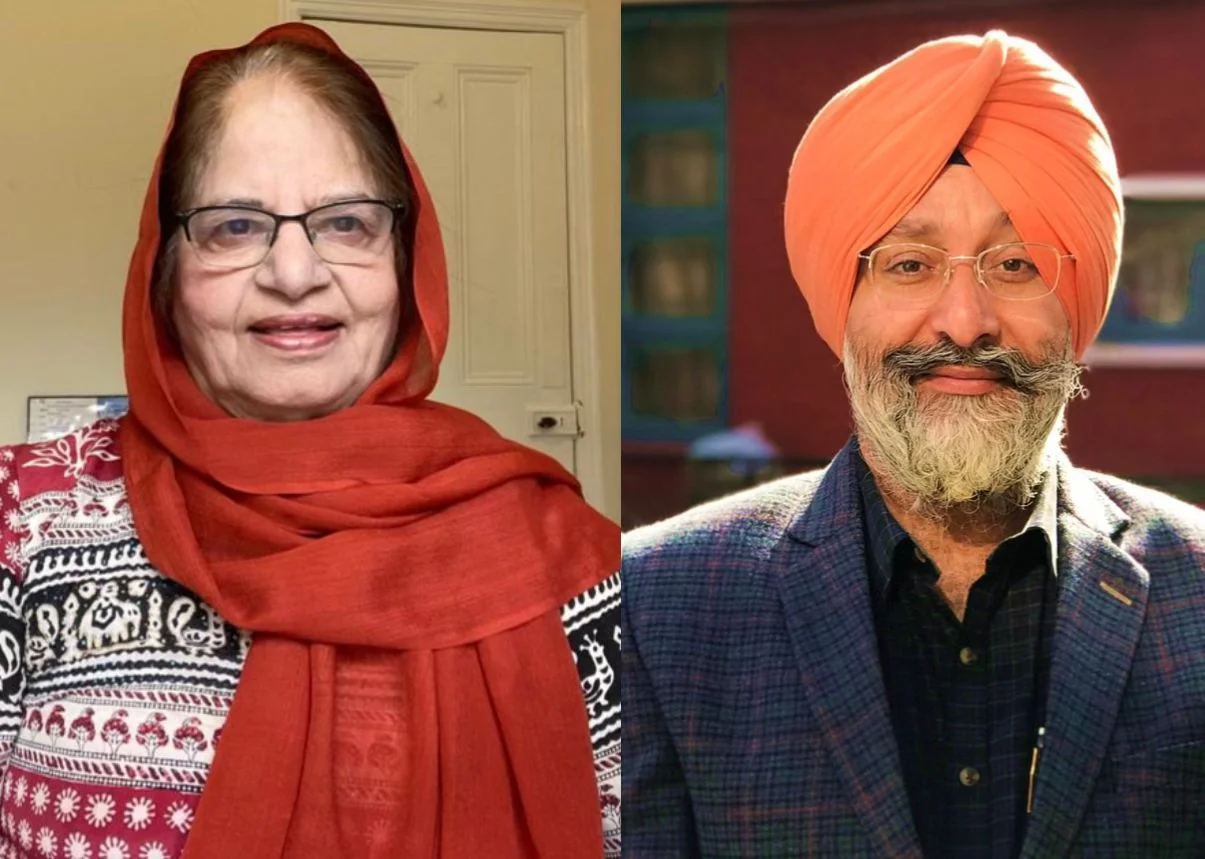
Global Sikh Council President Dr. Kanwaljit Kaur and Secretary Advocate Harjit Singh Grewal maintained that governments must thoroughly consult the Shiromani Gurdwara Parbandhak Committee, Takht Sahib administrators, established Sikh scholars, and Panthic representatives before introducing legislation impacting Sikh affairs.
The leaders asserted that the recent cabinet approval of the draft for the new ‘Takht Sachkhand Sri Hazur Sahib Abchalnagar Gurdwara Law’—intended for the upcoming monsoon session—aims to alter the administrative framework of the holy shrine without community consent. They affirmed that the autonomy of Sikhs in managing these institutions must be preserved, cautioning against measures that could be perceived as trying to bring historical Gurdwaras under ideological or state control.
Council representatives stated that a previous legislative attempt was deferred in 2024 following widespread concerns from the community. They further noted that the proposed law appears to rely on a 2014 report by the Justice J.S. Bhatia Committee, expressing concern that the new framework could reduce the long-standing representation of the Shiromani Committee, Chief Khalsa Diwan, and Sikh parliamentarians.
The Council additionally pointed out that the term of the current administrative board, established in 2019, concluded in 2022, and called for regular democratic processes rather than sweeping legislative overhauls. Recalling the 2015 amendment that allowed the state to appoint the board president, the leadership advised a cautious approach to administrative changes at the holy shrine. The organization has encouraged all Sikh congregations and institutions to unitedly raise their voices through peaceful representations and, if necessary, seek legal remedies to safeguard the traditional management structure.