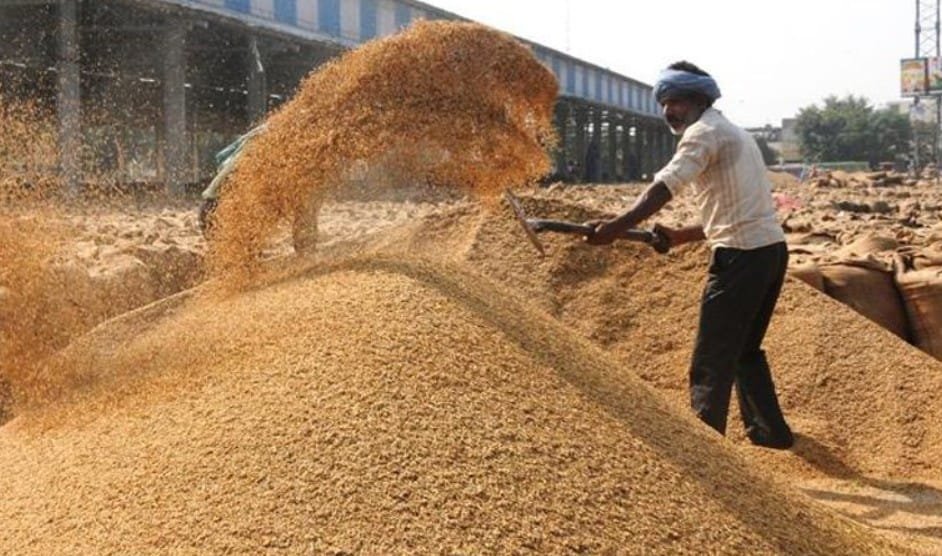


Chandigarh, June 5: The Haryana government is developing a one-time settlement framework to recover long-standing financial arrears from rice millers who failed to deliver processed grain under the state’s procurement program. The upcoming policy aims to recover public funds while offering defaulting operators a final opportunity to resolve their liabilities outside the court system.
The Food, Civil Supplies and Consumer Affairs Department has instructed District Food Supplies Controllers across the state to compile comprehensive data on all non-compliant mills. The administrative sweep coincides with aggressive local recovery actions, particularly in major grain-processing hubs.
“The government is planning a one-time settlement scheme for rice millers to recover pending dues. We are currently preparing a list of such millers who may avail the benefit of the scheme,” stated Mukesh Kumar, District Food Supplies Controller for Karnal.
While the state formulates the settlement policy, district officials in Karnal have accelerated enforcement by initiating public auctions of assets belonging to non-compliant mill owners and their financial guarantors. Records indicate that 58 rice mills in the Karnal area alone failed to clear commitments worth nearly ₹520 crore over a 12-year period ending in 2025.
Administrative orders were previously issued for the auction of assets linked to 19 operators, with active disposal proceedings now underway against 10 specific mills that failed to deliver processed grain valued at roughly ₹48 crore.
Under the state’s custom-milling system, milling operators receive raw paddy from state procurement agencies and are legally bound to return 67 per cent of the weight as processed rice. Officials noted that delays in previous asset attachments allowed some operators to bypass penalties and occasionally secure new grain allotments under altered corporate names.
To counter this evasion, a specialized three-member verification panel recently completed physical audits of all registered guarantor assets to ensure accurate valuation ahead of the upcoming settlement window.