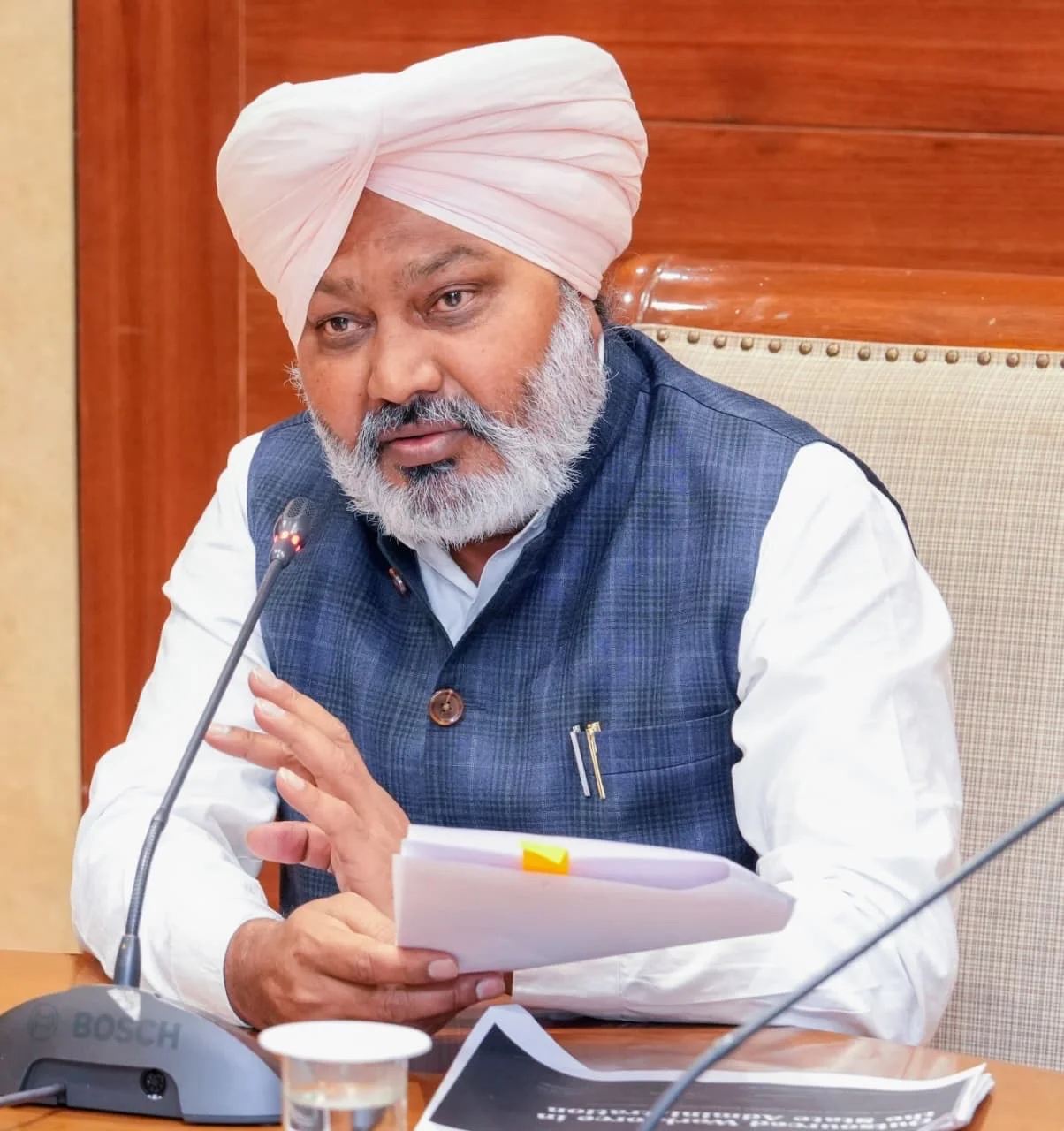


Chandigarh, June 20: In a major move to expand the state’s technical workforce, the Punjab Government finalized the absorption of 2,437 apprentice trainees as regular Assistant Linemen in the Punjab State Power Corporation Limited (PSPCL). Financing Minister Harpal Singh Cheema shared the development at a press conference at Punjab Bhawan, stating that the policy direction serves to address long-standing service requests from regional trainees. The administration indicated that expanding field-level personnel will optimize operations during high-demand seasonal changes.
The decision followed structural consultations with legal advisors, allowing the state to integrate trainees currently gaining field experience across PSPCL and the Punjab State Transmission Corporation Limited (PSTCL). The department noted that while normal induction rules apply, a single language evaluation will be arranged to confirm regional communication proficiency before final postings are formalized.
“The Board of Directors of PSPCL, acting upon the advice of the Advocate General, Punjab, has accorded approval for the absorption of 2,437 apprentice trainees as Assistant Linemen,” Finance Minister Harpal Singh Cheema stated. He asserted that the trainees are presently completing their practical field routines within the state’s primary power networks. “PSPCL will conduct the mandatory Punjabi language examination for the said trainees as a one-time relaxation. The examination schedule will be notified in due course on the official website of PSPCL, following which the process of absorption will be taken forward,” the Minister affirmed.
The administration associated the technical intake with a wider state employment strategy initiated under the leadership of Chief Minister Bhagwant Singh Mann. Official statistics indicate that the energy sector has recorded 9,627 recruitments since April 2022, balancing direct competitive tests with compassionate ground placements. The Minister declared that approximately 3,000 additional power sector vacancies are progressing through various administrative stages to keep pace with the state’s infrastructural requirements.