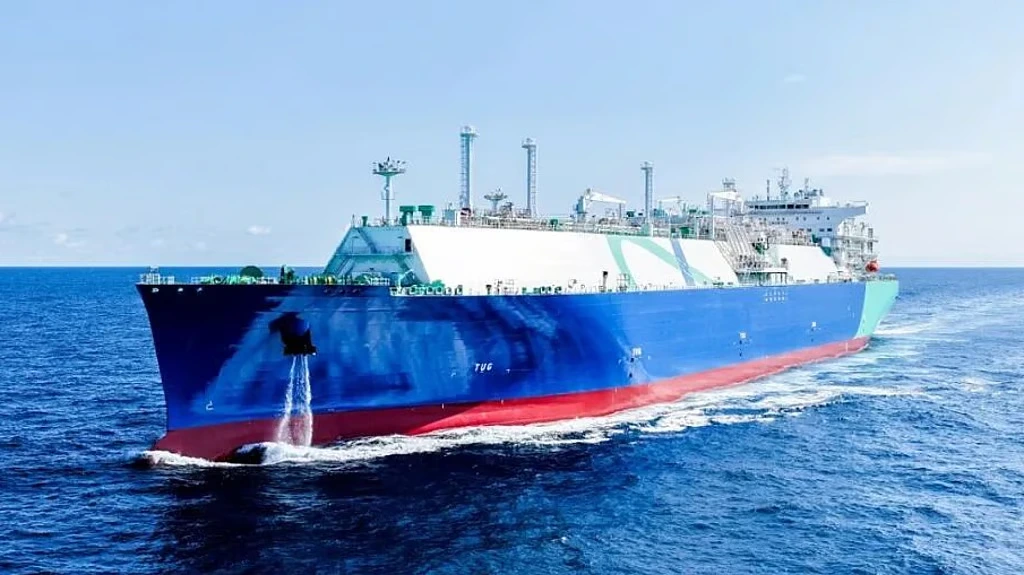


Chandigarh, April 6: The global energy market is currently navigating severe instability as conflict-related disruptions in the Strait of Hormuz bring liquified natural gas (LNG) shipments to a near-standstill. With approximately 20 percent of the world’s LNG passing through this critical maritime chokepoint, the halt in production from major suppliers like Qatar has triggered emergency measures in nations heavily reliant on gas for power and industry.
LNG is produced by cooling natural gas to -162 degrees Celsius, a process that reduces its volume by 600 times and allows for efficient long-distance transport. Once it reaches its destination, the liquid is regasified and distributed via pipelines. Beyond residential heating and cooking, LNG is a vital low-carbon alternative for power generation and a primary feedstock for the global fertilizer industry. Officials noted that Gulf nations export nearly half of the world’s traded urea, leaving international agriculture deeply vulnerable to these shipping interruptions.
The impact extends into the medical and technology sectors through the loss of essential by-products. Helium, extracted during the cooling process, is critical for cooling MRI magnets and semiconductors in data centers. Current facility shutdowns in Qatar have removed an estimated 5.2 million cubic meters of helium from the market monthly, accounting for one-third of global production. Additionally, the disruption affects the production of ethane and propane, which are necessary for manufacturing medical-grade plastics such as IV bags and syringes.
Importing nations are already feeling the weight of the supply shock. In Pakistan, where gas generates 28 percent of the nation’s electricity, the government has introduced a four-day workweek and early school holidays to conserve energy. Bangladesh is similarly affected, seeking nearly $2 billion in international loans to stabilize prices as it manages reduced supplies. While some tankers have successfully navigated the strait, major importers like India are increasingly turning to coal to compensate for the gas shortfall as priority sectors face mandatory fuel redirections.