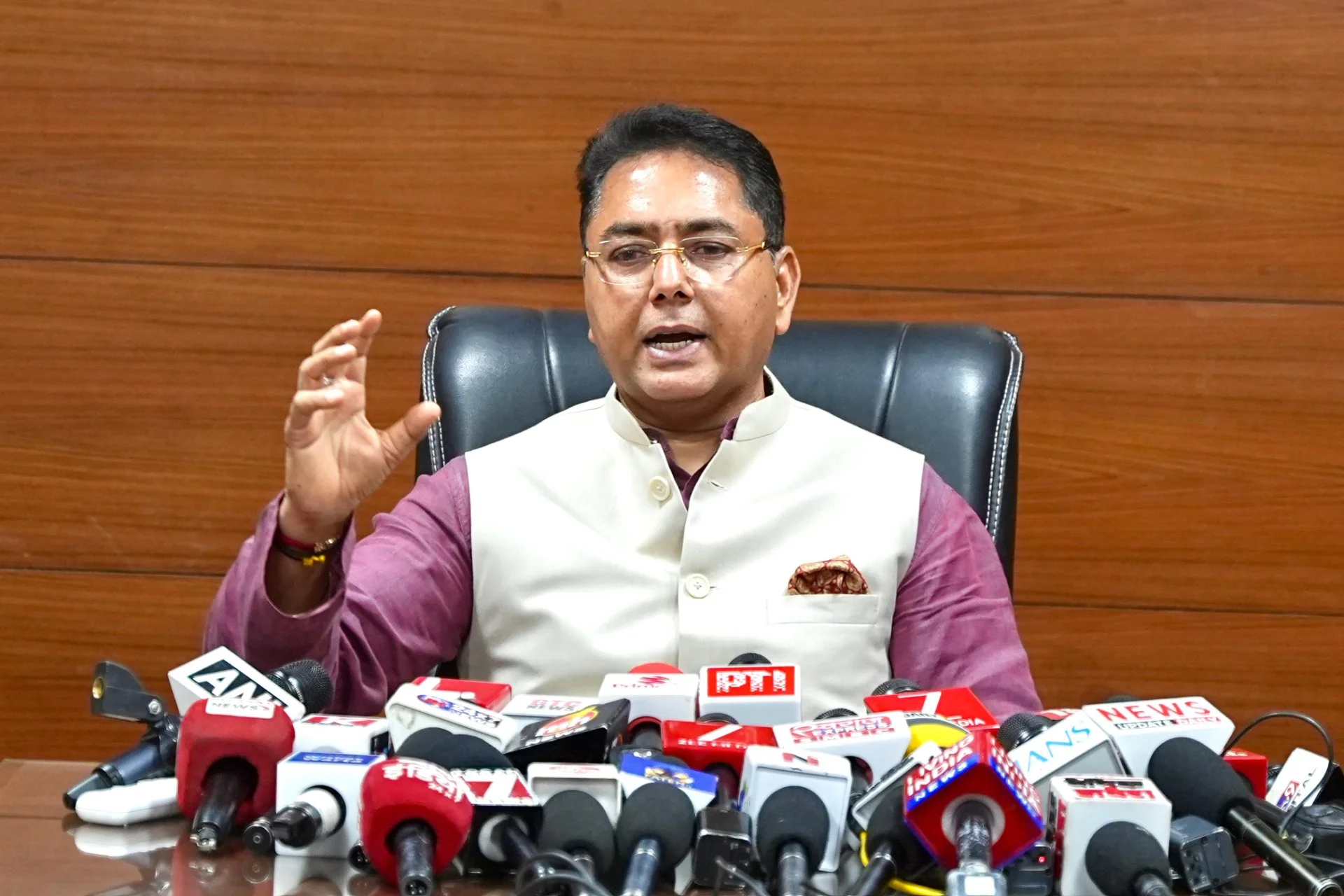


CHANDIGARH, May 16 — The central government faced sharp criticism Friday over recent increases in fuel and cooking gas prices, with claims that the hikes are causing severe financial distress to ordinary citizens, the agricultural sector, and small business owners.
Aam Aadmi Party Punjab President and Cabinet Minister Aman Arora leveled the allegations during a press conference, pointing to a direct link between the conclusion of recent state polls and the timing of the price revisions.
“Immediately after the West Bengal elections, the Central Government increased the price of commercial LPG cylinders by ₹943, dealing a severe blow to small businesses and traders,” Arora stated. “Along with this, the Centre increased petrol prices by ₹3.14 per litre, diesel by ₹3.11 per litre and CNG prices by ₹2.”
The financial impact is expected to resonate strongly within the agricultural sector. Arora asserted that the diesel price hike arrives at a critical juncture for regional farming operations, particularly as fields are prepared for the upcoming sowing period.
“Farmers require thousands of litres of water and fuel for irrigation during paddy sowing,” Arora declared. “The increase in diesel prices will directly affect their agricultural operations and increase their financial burden.”
The AAP leader also questioned broader national economic strategies, referencing past administrative assurances regarding income growth and employment generation over the last 12 years. He maintained that rather than experiencing economic relief, the public has faced persistent inflationary pressures that have strained household budgets.
Arora further noted that domestic economic policies have not reduced foreign import dependencies, specifically pointing toward international energy trade opportunities.
“It is difficult to understand why India is hesitant in making independent decisions on purchasing oil despite opportunities available from countries like Russia,” Arora affirmed.
The ruling party in Punjab concluded the briefing with an appeal for an immediate revision of the new rates, suggesting that sustained inflation could lead to widespread public dissatisfaction.